
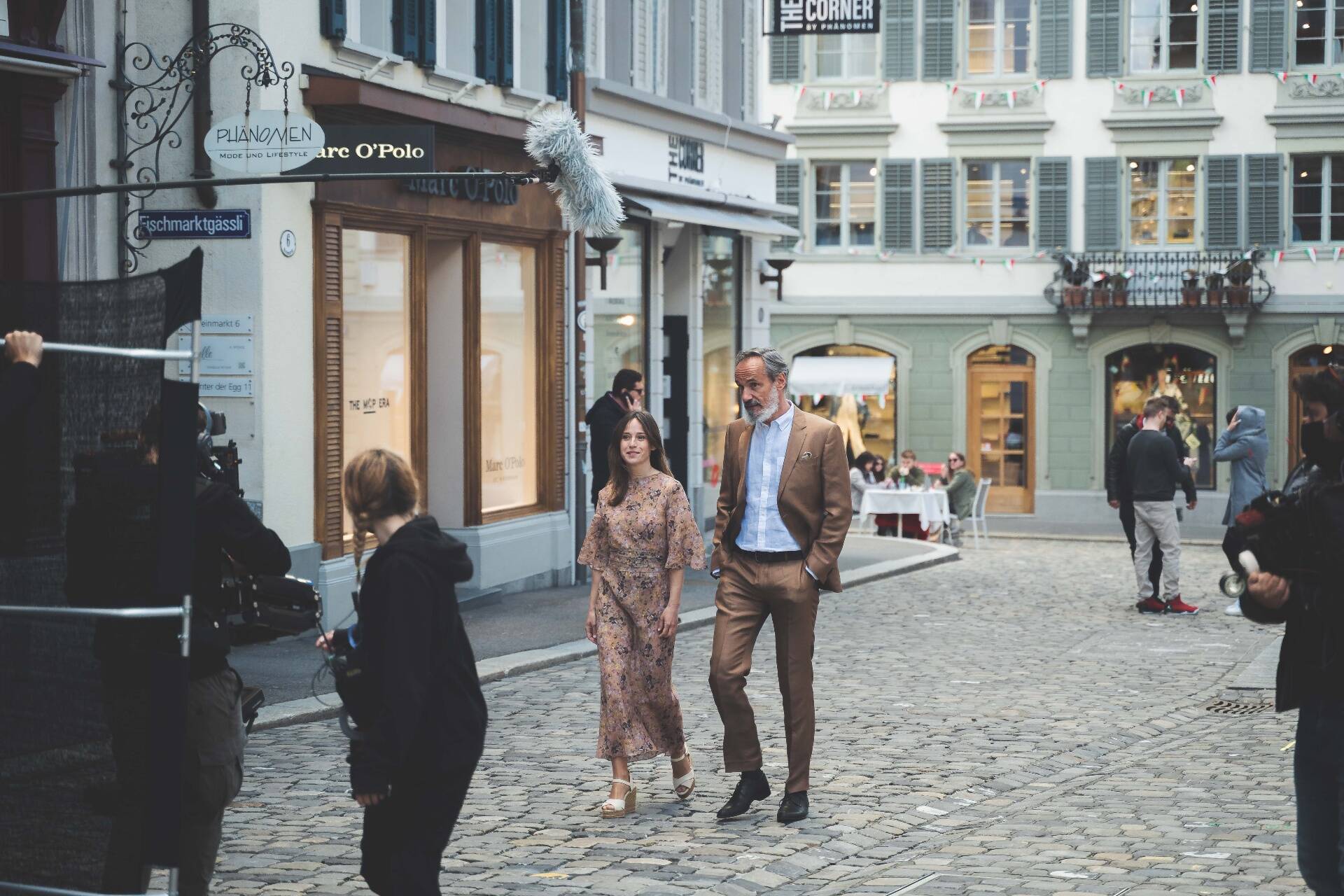
Der ultimative Guide für Filmproduktionen in der Schweiz (2026)
Die Schweiz ist einer der lohnendsten – und am meisten missverstandenen – Drehorte der Welt. An einem einzigen Tag können Sie von einem Gletscher an ein palmengesäumtes Seeufer und in eine mittelalterliche Altstadt wechseln, mit Crews, die klein, qualifiziert und zuverlässig sind, und einer Infrastruktur, die einfach funktioniert. Das Land hat auch den Ruf, teuer und bürokratisch komplex zu sein. Beides ist wahr, und keines von beidem muss ein Problem sein, wenn man gut plant.
Wir sind ORISONO, eine Film- und Serviceproduktionsfirma mit Standorten in Luzern und Zürich. Das ist unser tägliches Geschäft: Wir bringen internationale Spiel-, Dokumentar- und Werbefilme sowie Serien in die Schweiz und betreuen sie von A bis Z – von der ersten Location- Idee bis zur finalen Ablieferung. Dieser Guide behandelt Bewilligungen, Förderungen, Crew-Gagen, Zoll, Drohnen, Waffen, Versicherungen, Steuern, Saisons und Logistik – die Informationen, die wir uns bei Dreharbeiten im Ausland gewünscht hätten. Wenn Sie nach der Lektüre lieber alles an jemanden übergeben, der das jede Woche macht, genau dafür sind wir da.
Alles Folgende spiegelt die Regeln und Zahlen zum Stand von 2026 wider. Wo etwas je nach Kanton variiert oder sich häufig ändert, weisen wir darauf hin – die Schweiz ist ein föderalistisches Land, und «es kommt auf den Kanton an» ist eine oft zutreffende Antwort.
01Warum in der Schweiz drehen
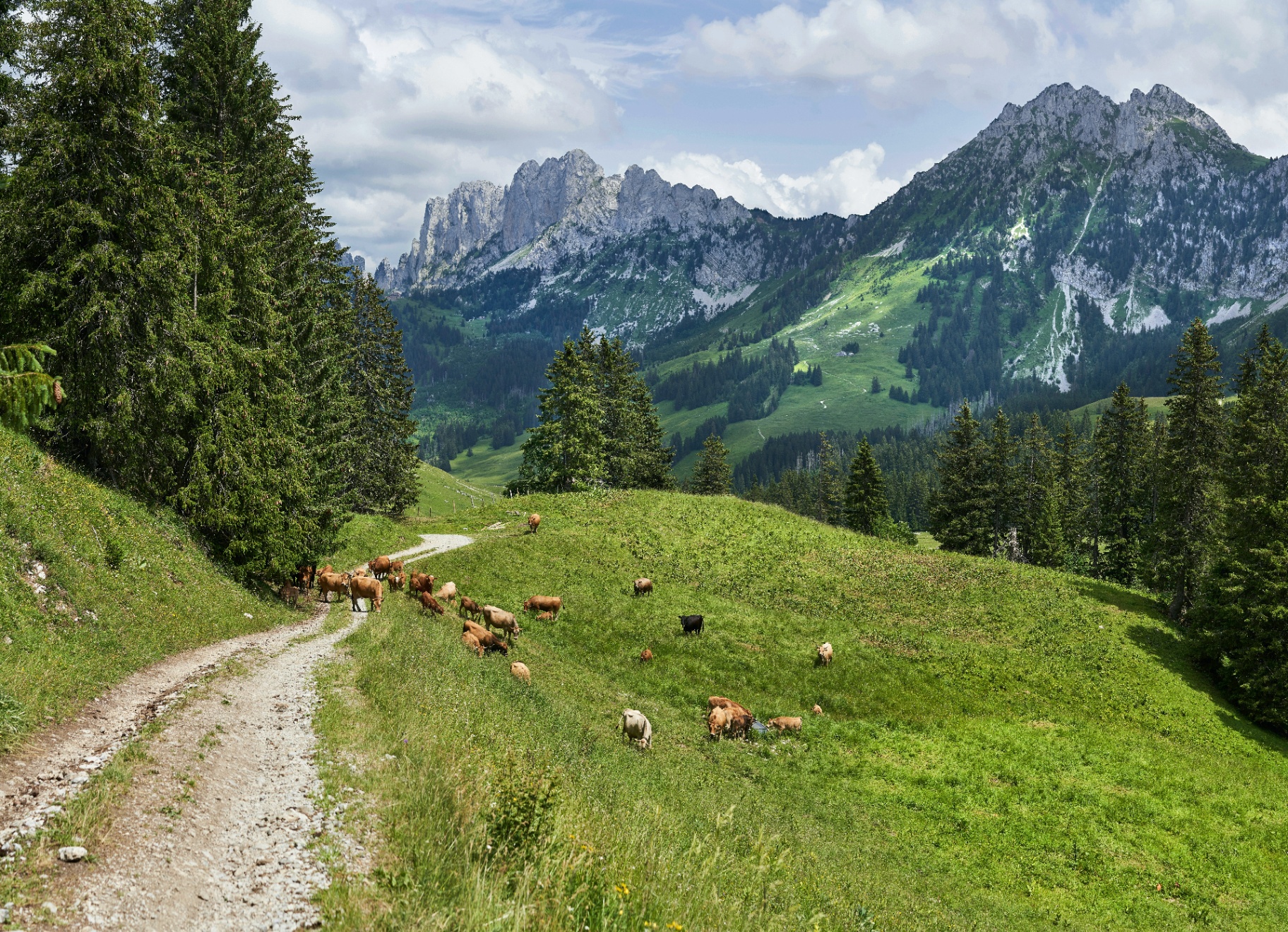
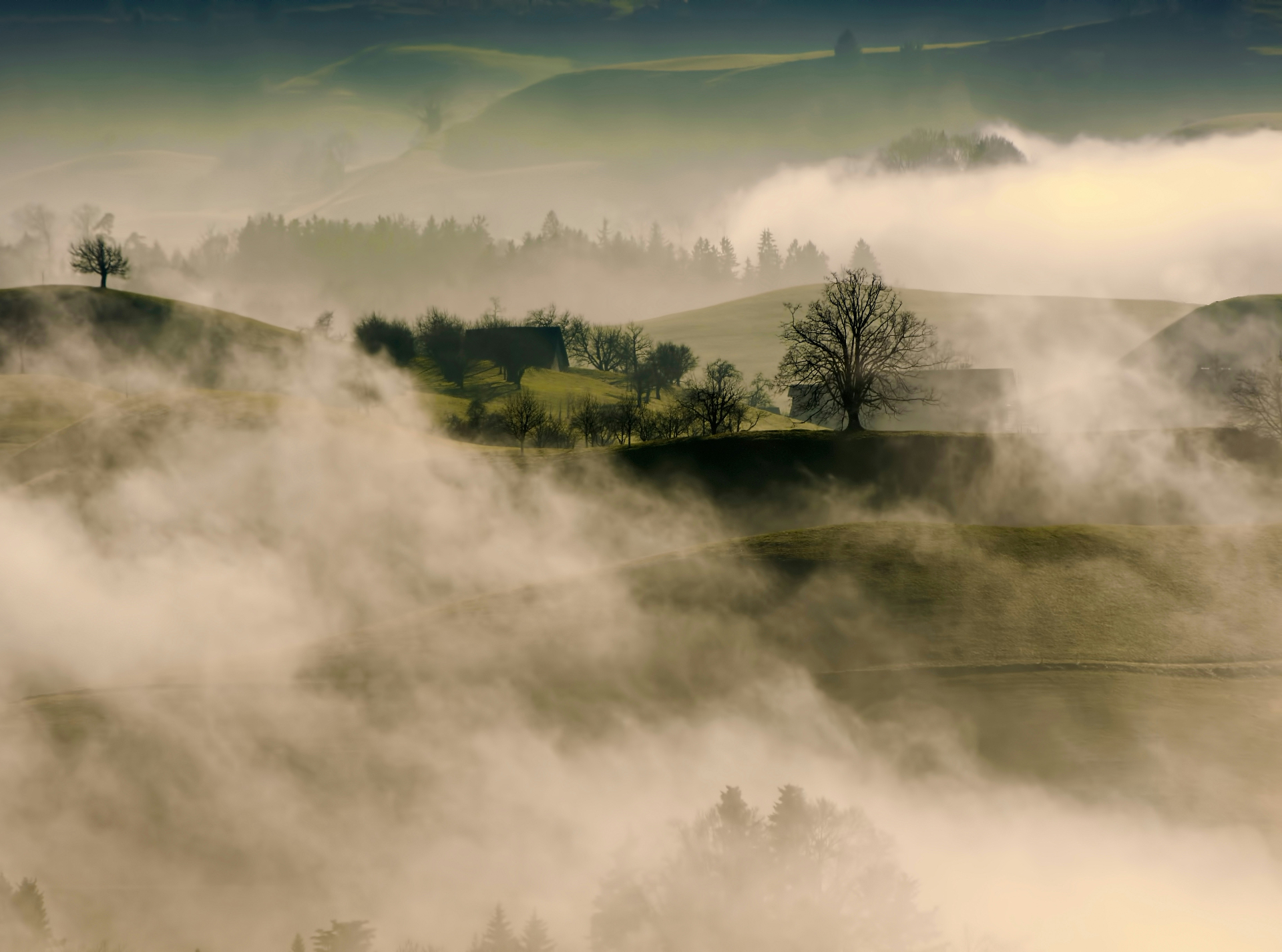
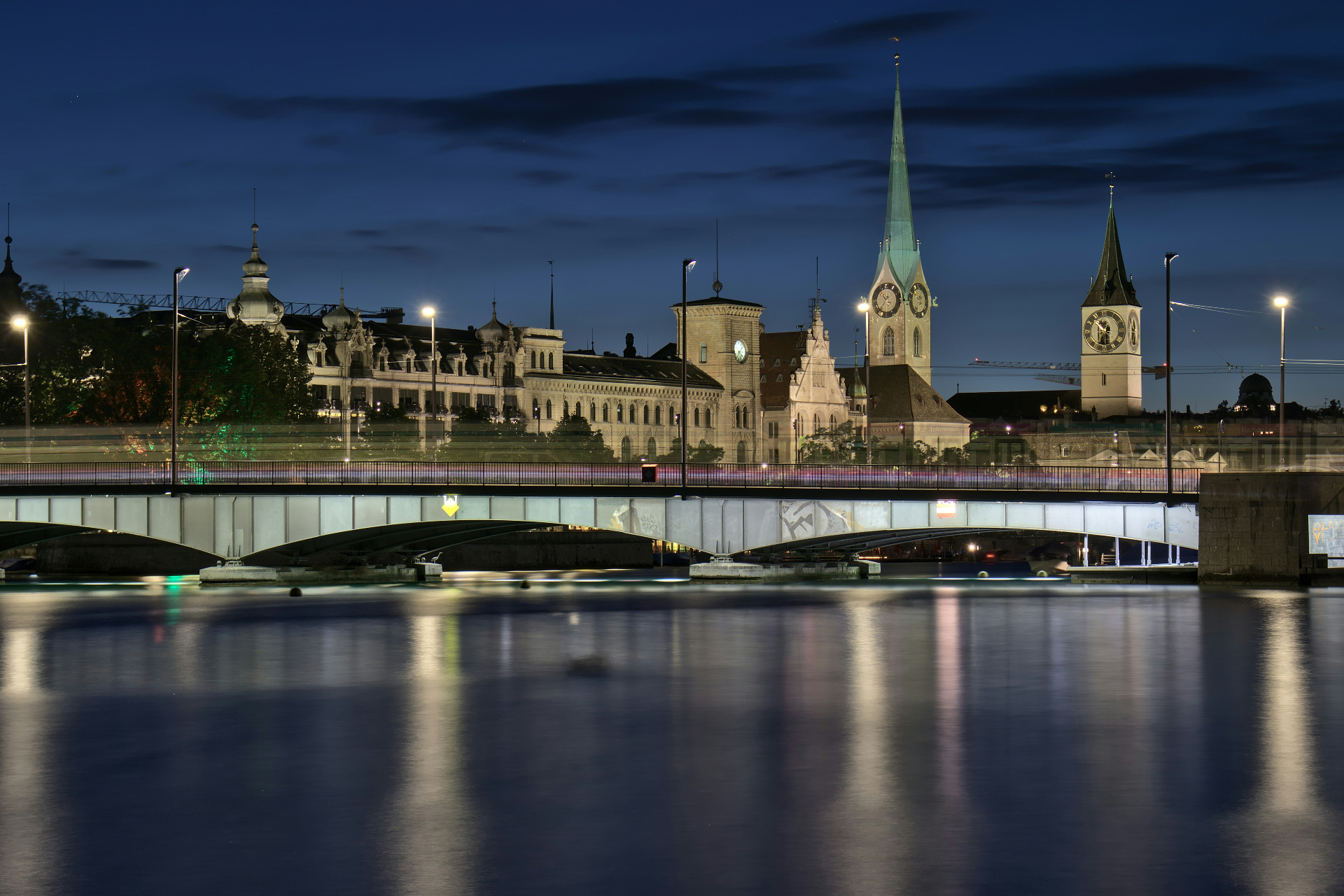
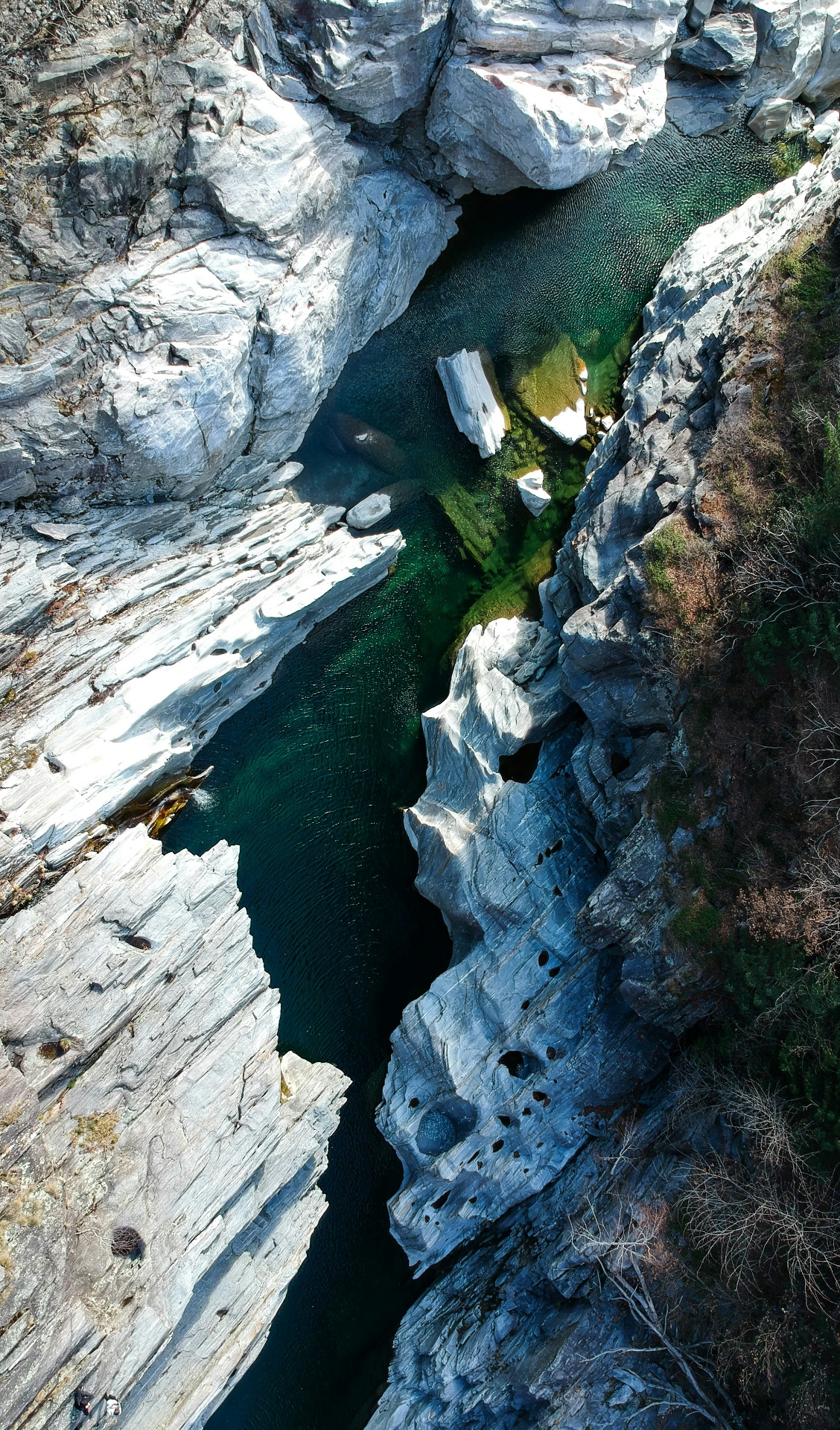
Der Kernvorteil der Schweiz ist Vielfalt auf kleinstem Raum. Alpengipfel, Gletscher, Seen, Weinberge, historische Städte, saubere moderne Metropolen und mediterrane Seeufer liegen alle nur wenige Stunden voneinander entfernt. Eine Produktion kann einen Alpengipfel, eine Szene am See und Aussenaufnahmen in der Stadt an einem einzigen Tag anstatt an mehreren Umzugstagen drehen – was nicht nur ein kreativer Luxus, sondern auch ein Budget-Hebel ist.
Der zweite Vorteil ist die Zuverlässigkeit. Die Schweiz verfügt über eines der dichtesten und pünktlichsten Verkehrsnetze der Welt, die Infrastruktur ist hervorragend und das Land ist politisch und logistisch stabil. Weniger widerrufene Bewilligungen, weniger wetterbedingte Überschreitungen, weniger Überraschungen.
Der dritte Vorteil sind die Crews. Schweizer Departemente sind kompakt und sehr erfahren, und die Rollen sind weniger starr abgegrenzt als in den USA oder Grossbritannien – was oft bedeutet, dass eine kleinere Gesamtcrew für dasselbe Resultat benötigt wird (mehr dazu im Abschnitt über Crews).
Es stimmt, dass die nominellen Kosten hoch sind. Aber die Effizienz, die kurzen Distanzen, das Fehlen von Importzöllen auf professionelles Equipment und eine wachsende Zahl von finanziellen Rückvergütungen bedeuten, dass gut strukturierte Dreharbeiten in der Schweiz oft deutlich weniger kosten, als Produzenten anfänglich erwarten.
02Drehgenehmigungen
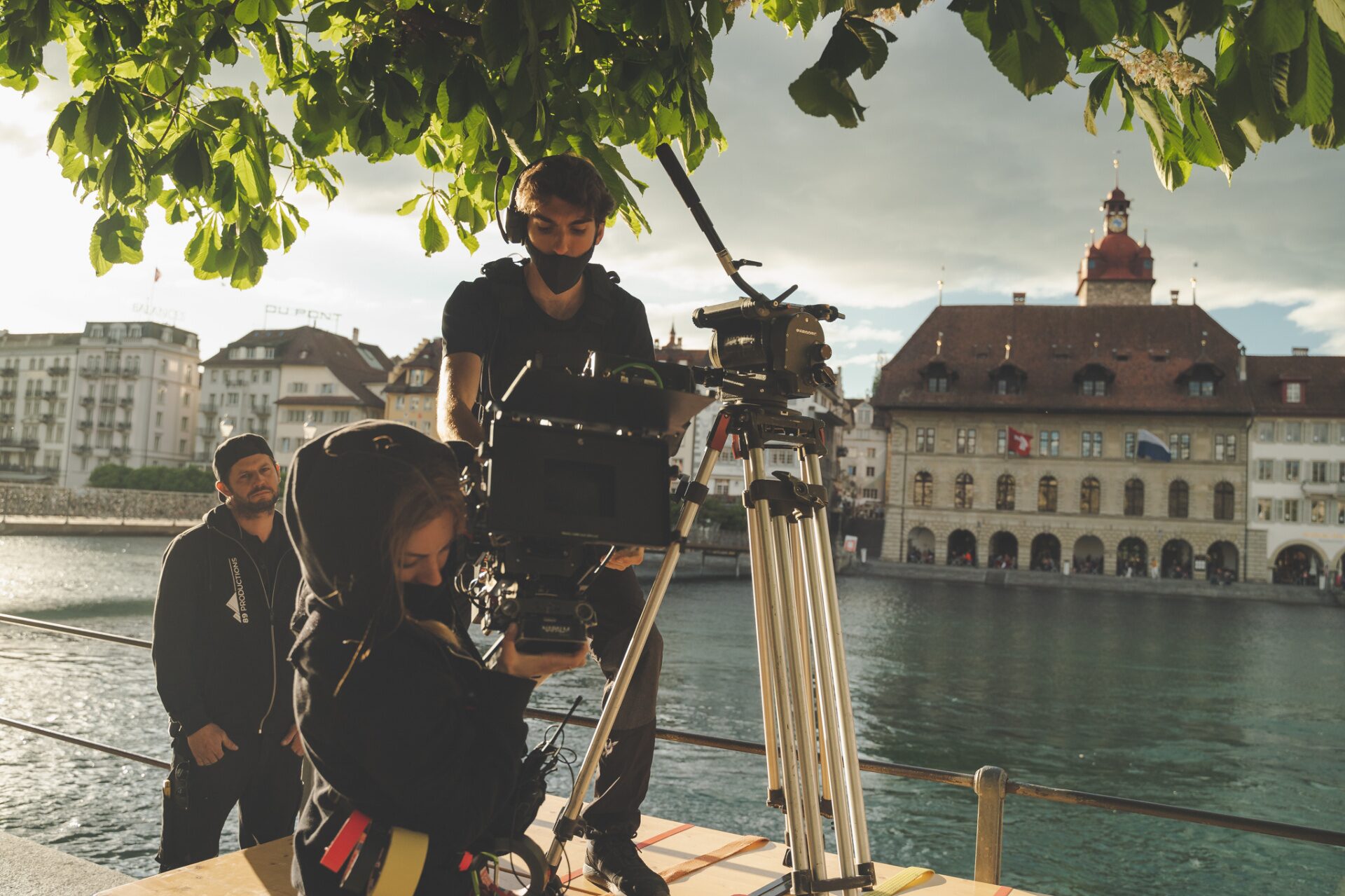
Es gibt keine nationale Drehgenehmigung
Dies ist der wichtigste Punkt, den man über die Schweiz verstehen muss. Es gibt keine eidgenössische Drehgenehmigung. Die Bewilligungs- kompetenz liegt überwiegend kantonal und kommunal, und die Regeln unterscheiden sich tatsächlich von Kanton zu Kanton und sogar von Gemeinde zu Gemeinde. Derselbe Dreh, der in einer Gemeinde bewilligungsfrei ist, kann in der nächsten ein wochenlanges Antragsverfahren erfordern.
In der Praxis sind die Zuständigkeiten wie folgt geschichtet:
- Bundesebene regelt nur spezifische, übergreifende Bereiche: Luftraum und Drohnen (FOCA/BAZL), den Schweizerischen Nationalpark, eidgenössisch geschützte Naturinventare, vom Bund betriebene Infrastruktur wie die Eisenbahnen (SBB) und den Datenschutz (Zustimmung zur Aufnahme identifizierbarer Personen gemäss dem revidierten Schweizer Datenschutzgesetz, das seit September 2023 in Kraft ist).
- Kantonale Ebene (26 Kantone) regelt Strassen und öffentlichen Raum, soweit kantonal, die Schifffahrt auf Seen und Flüssen sowie kantonal abgegrenzte Naturgebiete.
- Städtische/kommunale Ebene erteilt die eigentliche Bewilligung für Dreharbeiten auf öffentlichem Grund – Strassen, Plätzen, Promenaden, Parks – in der Regel durch das Bewilligungsbüro der Stadtpolizei oder eine Abteilung für den öffentlichen Raum.
Die praktische Konsequenz: Für jeden Drehort müssen Sie wissen, welche Ebene und welche Behörde für das jeweilige Areal zuständig ist. Dies ist genau die Art von Wissen, das ein lokaler Serviceproduzent oder die regionale Film Commission im Kopf hat.
Wann Sie tatsächlich eine Bewilligung benötigen
Der wiederkehrende Schweizer Grundsatz: Kleine, mobile, kurze Drehs mit geringer Auswirkung sind oft ausgenommen; alles, was den öffentlichen Raum beansprucht oder verändert, Infrastruktur nutzt, eine grössere Crew involviert oder öffentliche Aufmerksamkeit erregt, benötigt eine Bewilligung.
Zürich publiziert die klarsten Schwellenwerte. In der Stadt Zürich ist eine Bewilligung erforderlich, wenn einer dieser Punkte zutrifft: Der Dreh (inklusive Vorbereitung) dauert länger als eine Stunde; es wird Infrastruktur aufgebaut (Scheinwerfer, Dolly-Schienen, Requisiten); oder es sind mehr als fünf Personen beteiligt. Unterhalb all dieser Schwellenwerte – eine einzige Kamera, Stativ und Handreflektor, unter einer Stunde, keine Beeinträchtigung des öffentlichen Raums – ist keine Bewilligung nötig. Spontane Nachrichtenberichterstattung ist ebenfalls ausgenommen.
Basel-Stadt verwendet andere Auslöser: Eine Bewilligung ist erforderlich, um Parkplätze zu sperren oder zu reservieren, die öffentliche Beleuchtung zu deaktivieren, öffentliche Aufmerksamkeit zu erregen (z. B. durch inszenierte Gewalt, Lärm) oder Gehwege oder Strassen zu sperren.
Zwei Regeln gelten in allen Kantonen: Dreharbeiten auf Privatgrundstück erfordern immer die Erlaubnis des Eigentümers (und oft eine Location Fee), und öffentliche Gebäude und ikonische Orte (der Palais des Nations der UNO in Genf, Museen, Kirchen) erfordern die Genehmigung der verwaltenden Behörde.
Realistische Fristen
- Zürich: Antrag mindestens 4 Wochen im Voraus stellen; Strassensperrungen benötigen 20 Arbeitstage Vorlauf, Parkplatzreservationen 7 Arbeitstage. Unkomplizierte kommerzielle Bewilligungen werden in der Regel in etwa 10 Werktagen erteilt. Film Commission Zürich — mehr Infos · Zürich Filming Guide
- Basel-Stadt: Meldung mindestens 14 Tage im Voraus für einen halbtägigen Dreh ohne Verkehrsbeeinträchtigung; 6 Wochen für Drehs von bis zu vier aufeinanderfolgenden Tagen; 3 Monate für Drehs von mehr als vier aufeinanderfolgenden Tagen (Standardgesuch; eine amtliche Publikation kann erforderlich sein).
- Bern: in der Regel 6 Wochen für die Nutzung des öffentlichen Raums.
Einfache, unkomplizierte Bewilligungen werden oft in 5–10 Werktagen erteilt. Der grösste Fehler ausländischer Crews ist die Annahme, dass der Prozess, den sie in einem Kanton gelernt haben, auf den nächsten übertragbar ist – das ist er nicht. Das Versäumen einer Meldefrist kann einen ganzen Drehtag kosten.
Regionale Film Commissions sind kostenlos – nutzen Sie sie
Die regionalen Film Commissions der Schweiz sind das Rückgrat der Bewilligungs-Koordination, und ihre Kerndienstleistungen sind kostenlos. Sie koordinieren Bewilligungen, beschleunigen den Zugang zu den richtigen Behörden und öffnen Türen zu besonderen Drehorten: Film Commission Zurich, Geneva Film Commission, Ticino Film Commission, Valais Film Commission, Film Commission Lucerne & Central Switzerland (sechs Kantone, und öffentlicher Grund in der Stadt Luzern kann kostenlos genutzt werden) und die Engadin Film Commission, alle unter dem Dach der Switzerland Film Commission. Sie stellen die gesetzlichen Bewilligungen nicht selbst aus, aber sie wissen genau, wer es tut.
Bahn, Nationalpark und Persönlichkeitsrechte
- Bahnen (SBB und Privatbahnen): Bahnhöfe, Züge und Gleise sind privat oder betreiberkontrolliert. Zusätzlich zur kommunalen Bewilligung ist separat bei SBB, RhB, BLS, Jungfraubahnen oder dem jeweiligen Betreiber anzufragen.
- Schweizerischer Nationalpark (Graubünden): Es gelten strenge Schutzregeln; Dreharbeiten benötigen die Erlaubnis des Parks, Drohnen sind verboten.
- Personen im Bild: Identifizierbare Personen müssen gemäss Persönlichkeitsrecht und revidiertem Datenschutzgesetz zustimmen. Für Mitwirkende sind Releases, bei Menschenmengen Hinweise zu verwenden.
03Anreize und finanzielle Rückvergütungen
Die Schweiz bietet zwei Ebenen von Filmförderinstrumenten: regionale finanzielle Rückvergütungen (Cash Rebates), die von einzelnen Kantonen verwaltet werden, und ein nationales Programm. Der für eine internationale Produktion wichtigste Unterschied ist dieser:
Das nationale Programm (PICS) setzt einen offiziellen Schweizer Koproduktionsstatus voraus. Die regionalen Rückvergütungen in der Regel nicht – was die regionalen Programme zum realistischen Weg für die meisten internationalen und Serviceproduktionen macht.
| Programm | Satz | Obergrenze | Wer qualifiziert sich | Status |
|---|---|---|---|---|
| FiSS/PICS (Bund) | 20 % Basis; 50 % Technik (Mehrheit); 40 % Minderheit | CHF 600'000 | Offizielle Koproduktionen; Schweizer Produzent; keine Serien oder TV-Erstauswertung | Laufend; eSubventions |
| Wallis | 15–35 % | CHF 100'000 | Spielfilm, Animation oder Serie; ≥5 Tage; ≥CHF 100'000 Ausgaben | Aktiv |
| Genf | bis 30 % | CHF 500'000 | Schweizerisch und ausländisch; Dreh und Postproduktion | Aktiv seit 1. Sep. 2026; Fonds 2026 CHF 1,05 Mio. |
| Zürich Zürich Filming Guide | Fixbeitrag | CHF 30'000 | International oder Minoritätskoproduktion; ≥CHF 500'000 Zürcher Ausgaben; 80 % finanziert | Aktiv; begrenzte Mittel |
| Tessin / Locarno Region Film Fund | 20 % Filmdienstleister / 40 % übrige lokale Kosten | CHF 20'000 | Einzelfallprüfung | Seit Aug. 2026 |
| Zentralschweiz | Scouting-Beitrag | CHF 6'000 | National und international | Aktiv |
| Neuenburg | 15 % Pilot | CHF 150'000 | Bisher einmaliger Pilot | Anfragen |
Offizielle Koproduktionen; Schweizer Produzent; keine Serien oder TV-Erstauswertung
Spielfilm, Animation oder Serie; ≥5 Tage; ≥CHF 100'000 Ausgaben
Schweizerisch und ausländisch; Dreh und Postproduktion
International oder Minoritätskoproduktion; ≥CHF 500'000 Zürcher Ausgaben; 80 % finanziert
Einzelfallprüfung
National und international
Bisher einmaliger Pilot
Dreh in Stadt oder Kanton? Mehr zu unserer Serviceproduktion in Zürich.
Bedingungen, Budgets und Zeitpläne unterscheiden sich je nach Kanton, und die meisten Programme verfügen über begrenzte Jahresmittel – die Wahl der Drehregion kann also direkt beeinflussen, wie viel Sie zurückerhalten.
Das nationale Programm: PICS / FiSS
Auf Bundesebene betreibt die Schweiz PICS (Film Investment Refund Switzerland), das vom Bundesamt für Kultur verwaltet wird. Es ist wichtig zu verstehen, was es genau ist:
PICS ist ein Instrument der Koproduktion, keine allgemeine Rückvergütung für Serviceproduktionen. Es kann nur von einer unabhängigen Schweizer Produktionsfirma beantragt werden, und das Projekt muss als offizielle Schweizer Koproduktion anerkannt sein. Eine rein ausländische Serviceproduktion ohne Schweizer Koproduzenten qualifiziert sich nicht von selbst.
Für Projekte, die sich qualifizieren, erstattet PICS 20–50 % der qualifizierenden Schweizer Ausgaben zurück:
Die Rückvergütung ist auf CHF 600,000 pro Projekt begrenzt, die Bundesfinanzierung darf 70 % der Gesamtkosten nicht übersteigen, und das Programm verfügt über ein Jahresbudget von rund CHF 6 Mio., das etwa 30 Projekte pro Jahr unterstützt. Es gelten Ausgabenschwellen: Für Spielfilme müssen mindestens CHF 1,2 Mio. (Mehrheit) oder CHF 300,000 (Minderheit) an qualifizierenden Schweizer Kosten anfallen, plus entweder 5 Drehtage in der Schweiz oder zusätzliche CHF 150,000 an Schweizer Ausgaben; Dokumentarfilme haben niedrigere Schwellen (CHF 250,000 / CHF 150,000). Mindestens 75 % der Finanzierung muss gesichert sein, und es gibt keine festen Fristen – Anträge werden laufend bearbeitet.
Die Anerkennung als Schweizer Koproduktion ist der Schlüssel. Die Schweiz hat Koproduktionsabkommen mit Deutschland, Österreich, Frankreich, Italien, der französischen Gemeinschaft Belgiens, Luxemburg, Kanada und Mexiko und ist Vertragspartei des Europäischen Übereinkommens über die Gemeinschaftsproduktion von Kinofilmen, was die Anerkennung auf viele weitere Länder ausdehnt – insgesamt rund 45. Koproduktionen mit Ländern ausserhalb dieses Rahmens können in der Regel nicht anerkannt werden.
Selektive Förderung und Streaming-Abgabe
Neben den Rückvergütungen verfügt die Schweiz über erhebliche selektive Fördermittel – die Zürcher Filmstiftung (Produktionsbeiträge bis zu 40 % des Budgets oder CHF 1 Mio.) und Cinéforom für die französischsprachige Schweiz (~CHF 10 Mio./Jahr) – und der öffentliche Rundfunk SRG SSR verpflichtet sich für 2024–2027 zu CHF 34 Mio./Jahr für den Schweizer Film. Seit Januar 2024 verpflichtet die «Lex Netflix» Streaming-Anbieter und grosse Sender, 4 % ihres Schweizer Umsatzes in den Schweizer Film zu investieren, was neue Mittel in das Produktionsökosystem lenkt.
04Werbefilm in der Schweiz drehen
Werbefilme sind die häufigsten internationalen Drehs in der Schweiz. In drei Punkten gelten andere Voraussetzungen als bei Spielfilmen:
- Die meisten Rückvergütungen gelten nicht. FiSS/PICS ist anerkannten Koproduktionen von Lang- und Kurzfilmen vorbehalten; Serien, TV-Erstauswertungen und Werbung sind ausgeschlossen. Das Wallis unterstützt Spielfilme, Animation und Serien. Zürich unterstützt Spiel- und Dokumentarfilme, Serien, TV-Sendungen und Animation. Bei Werbung entstehen Einsparungen meist durch Crew-Struktur, Planung und Locationwahl. Scouting-Beiträge gibt es in Zürich und der Zentralschweiz.
- Kinderdarsteller. Die Ausnahme für Abend- und Sonntagsarbeit von unter 15-Jährigen gilt nicht für Werbedrehs.
- Bewilligungen folgen dem normalen Weg. Sie sind kommunal und locationspezifisch; die Fristen reichen von 14 Tagen für kleine Basler Drehs bis zu drei Monaten für längere Drehs.
Typischer ORISONO-Ablauf für Werbung: Briefing bis Kostenschätzung in 48 Stunden, Scouting in Woche 1–2, Bewilligungen in Woche 2–4, Dreh und anschliessend Ablieferung.
05Crew: Gagen, Struktur und Arbeitsbedingungen
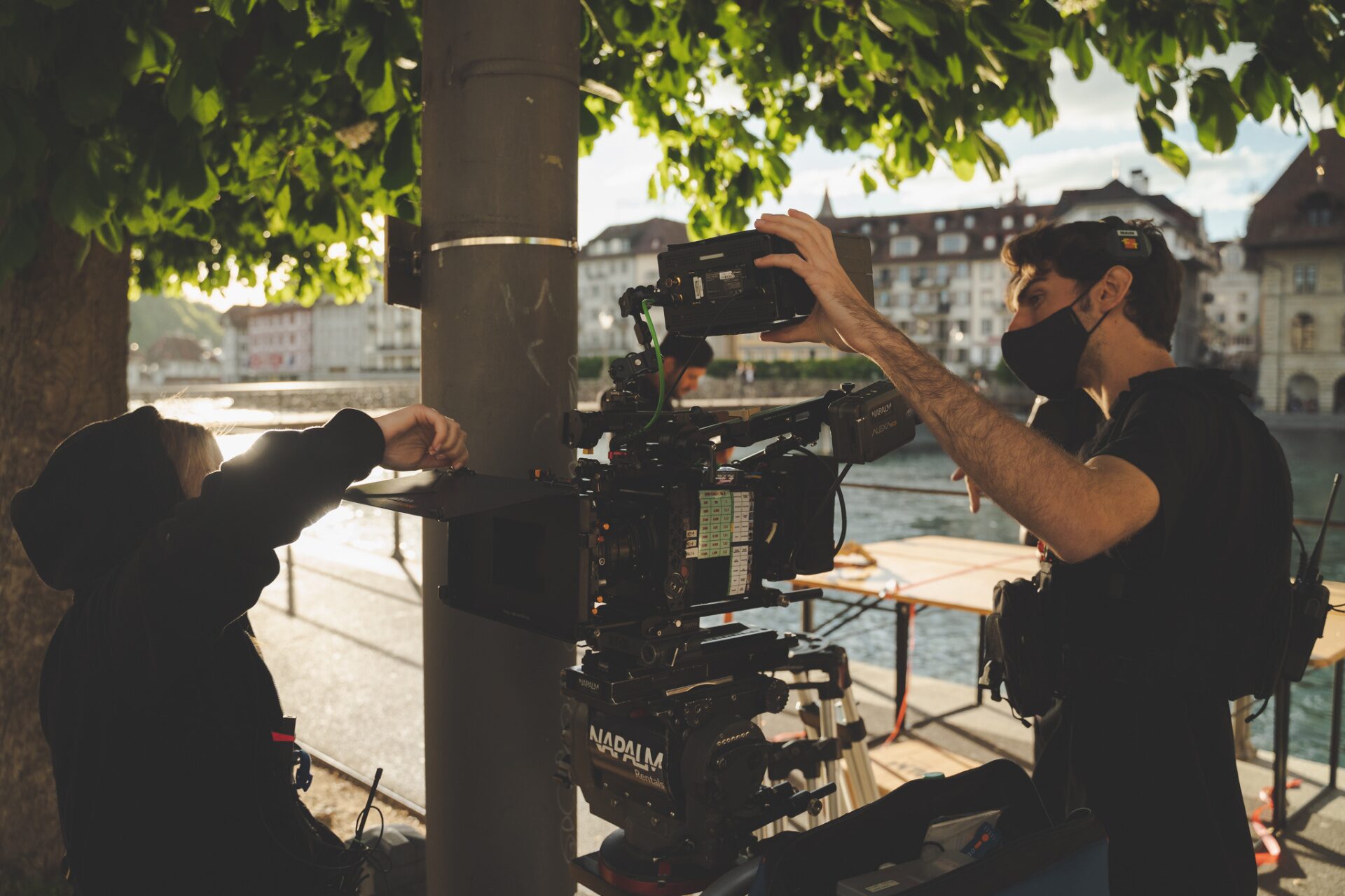
Warum Schweizer Crews weniger kosten können, als Sie erwarten
Einer der grössten Kostenunterschiede zwischen der Schweiz und den USA oder Grossbritannien liegt in der Struktur der Departemente. In den USA und Grossbritannien sind die Rollen hoch spezialisiert und gewerkschaftlich definiert – ein Lichtaufbau könnte einen Grip zur Positionierung des Stativs und einen separaten Beleuchter zur Verkabelung und Stromversorgung der Lampe erfordern. In der Schweiz sind die Departemente kompakter und die Rollen weniger starr getrennt, so dass ein einzelnes erfahrenes Crew-Mitglied oft das abdeckt, was anderswo auf zwei oder drei Personen aufgeteilt wäre. Für die gleiche Szene bedeutet das häufig eine kleinere Gesamtcrew – was Tagesgagen, Transport, Catering und Unterkunft für den gesamten Dreh reduziert.
Richtgagen für Crew (2025)
Die Gagen für Schweizer Crews werden als Richtlöhne von den Branchenverbänden publiziert. Es handelt sich um einen wöchentlichen Grundlohn für eine 50-Stunden-Woche. Die folgenden Zahlen sind ein repräsentativer Auszug (in CHF pro Woche, brutto), aufgeteilt in drei Erfahrungsstufen: 1 = 1–3 Jahre in der Funktion, 2 = 4–6 Jahre, 3 = 7+ Jahre. Dies sind nur die Grundlöhne – Ferienentschädigung, Sozialabgaben und Überzeit kommen noch hinzu (siehe unten).
| Rolle | Kat. | Stufe 1 | Stufe 2 | Stufe 3 |
|---|---|---|---|---|
| Director of Photography | A | 3,665 | 4,195 | 4,765 |
| Produktionsleiter (ohne Aufgaben des Line Producers) | B | 2,080 | 2,375 | 2,700 |
| 1. Regieassistenz / Gaffer / Tonmeister (Originalton) / Kostümbildner | C | 1,875 | 2,145 | 2,440 |
| Location Manager / Script Supervisor / Focus Puller / Art Director | D | 1,685 | 1,925 | 2,190 |
| 2. Regieassistenz / Kameraoperateur / Requisitenmeister / Chefmaskenbildner | E | 1,620 | 1,850 | 2,100 |
| DIT / Locationscout / Maskenbildner | F | 1,515 | 1,735 | 1,970 |
| 3. Regieassistenz / Assistent Set Decorator | G | 1,475 | 1,690 | 1,920 |
| Beleuchter / Grip / Set Dresser / Hairstylist | H | 1,435 | 1,640 | 1,865 |
| Produktionsassistenz / Base Manager | I | 1,260 | 1,440 | 1,635 |
| Key PA / Data Wrangler / Fahrer | K | 1,145 | 1,310 | 1,490 |
| Runner / Set PA | L | 1,000 | 1,100 | 1,200 |
Der Dokumentarfilm hat für einige Funktionen eigene Sätze (z. B. eine Richtgage für Dokumentarfilm-DOP von CHF 3,000–3,900/Woche); für alle anderen Funktionen gelten die Spielfilmsätze.
Einige Anmerkungen zu diesen Zahlen. Es sind Grundlöhne, nicht die Arbeitgeberkosten - hinzu kommen eine Ferienentschädigung von 8,33 % des Grundlohns (10,64 % für Crewmitglieder unter 20 oder über 50), Arbeitgeberbeiträge zur Sozial- und Unfallversicherung sowie allfällige Überzeit. Und sie sind verhandelbar: Die publizierte Zahl ist ein marktüblicher Richtwert, kein fester Tarif.
Arbeitsbedingungen: Stunden, Überzeit und Ruhezeiten
Die Anstellungsbedingungen im Schweizer Film folgen einem detaillierten Rahmenwerk (den «Allgemeinen Anstellungsbedingungen», AAB), das zwischen der Gewerkschaft und den Produzentenverbänden vereinbart wurde. Die wichtigsten Regeln für eine wöchentliche Anstellung:
- Arbeitswoche: 50 Vertragsstunden. Die tägliche Arbeitszeit, inklusive Pausen und Überzeit, muss in einem 14-Stunden-Zeitfenster liegen.
- Überzeit: Stunden 51 bis 59 in einer Woche erhalten einen 25-%-Zuschlag; ab der 60. Stunde einen 100-%-Zuschlag. Nacht- und Überzeitzuschläge sind kumulierbar. Überzeit kann durch Freizeit über die Vertragsdauer kompensiert anstatt ausbezahlt werden, aber die Zuschläge müssen ebenfalls kompensiert werden (2 Überstunden zu +25 % = 2,5 Stunden frei).
- Nachtarbeit (23:00–06:00): ein 25-%-Zuschlag auf die tatsächlich in diesem Fenster geleisteten Stunden. Wenn ein Teil des Tages in das Nachtfenster fällt, ist die tägliche Arbeitszeit auf 9 Stunden innerhalb eines 12-Stunden-Fensters begrenzt.
- Tägliche Ruhezeit (Turnaround): normalerweise mindestens 11 Stunden zwischen den Arbeitstagen, reduzierbar auf 9 (und ausnahmsweise einmal pro Woche auf 8) mit Ausgleichsregeln. Wird das 14-Stunden- Tagesfenster überschritten, verlängert sich die Ruhezeit auf 12 Stunden.
- Freie Tage: mindestens ein voller Ruhetag pro Woche; bei längeren Anstellungen durchschnittlich 7 freie Tage pro 4 Wochen.
- Feiertage: die hohen Feiertage (1. Januar, Ostersonntag, Pfingstsonntag, 25. Dezember) erhalten einen pauschalen CHF 200 Zuschlag; ansonsten gibt es für Sonntagsarbeit gemäss AAB keinen separaten Zuschlag, aber Sonntags- und Feiertagsarbeit ist gesetzlich eingeschränkt und muss angeordnet/begründet werden.
- Mahlzeiten: eine Hauptmahlzeit nach 5 Stunden und eine weitere nach erneut 6 Stunden; die üblichen Schweizer Taggeldsätze beinhalten CHF 10 Frühstück, CHF 32 Hauptmahlzeit und CHF 0.70/km für die Nutzung des Privatautos.
Dies sind die Bedingungen, die gelten, wenn die Crew nach dem Schweizer Standardmodell angestellt ist. Sie belohnen eine straffe Zeitplanung – was, kombiniert mit kurzen Reise-Distanzen und kompakten Crews, ein wichtiger Grund dafür ist, warum Schweizer Dreharbeiten effizienter sind, als ihre Tagesgagen vermuten lassen.
06Gewerkschaften und Rahmenbedingungen der Branche
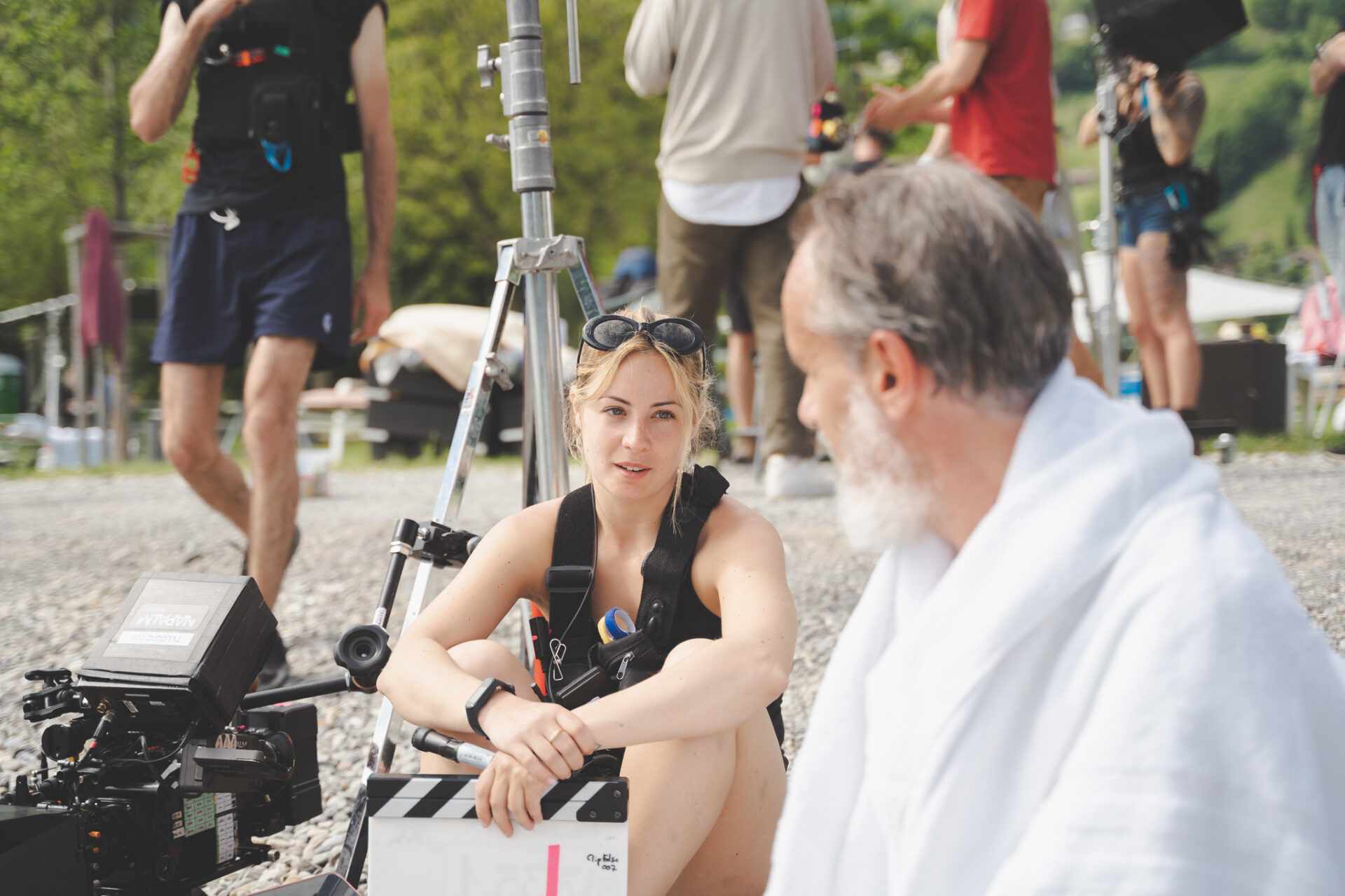
In der Schweiz gibt es kein «Closed-Shop»-System wie bei der IATSE. Die wichtigste Gewerkschaft für Film- und Videoschaffende ist das SSFV (Schweizer Syndikat Film und Video); die Produzenten- und Urheberseite wird durch Verbände wie IPS (Independent Producers Switzerland, dessen Mitglied ORISONO ist), SFP (Swiss Film Producers), GARP und die Swissfilm Association vertreten.
Entscheidend ist, dass das von diesen Gremien ausgehandelte Rahmenwerk – die Allgemeinen Anstellungsbedingungen (AAB) und die Richtgagen – eine Branchenempfehlung ist, kein allgemeinverbindlicher Gesamtarbeitsvertrag. Es gibt keinen staatlich erweiterten Kollektivvertrag für die Filmbranche, und die Richtgagen sind empfohlene Grundsätze und keine gesetzlichen Mindestlöhne. Mit anderen Worten: Die Standards sind real, weithin respektiert und das, was professionelle Crews erwarten – aber sie sind verhandelbar, und es gibt keine gewerkschaftliche Kontrolle darüber, wen Sie engagieren dürfen.
Eine praktische Anmerkung: Die AAB gelten für angestellte Crewmitglieder. Echte selbstständige Auftragnehmer fallen unter ein anderes rechtliches Regime. Die Branche empfiehlt im Allgemeinen, die Crew anzustellen statt als Freelancer zu verpflichten, was auch die Verpflichtungen im Bereich Sozialversicherung und Versicherungen sauber regelt (siehe Versicherungen).
07Arbeitsbewilligungen und Visa
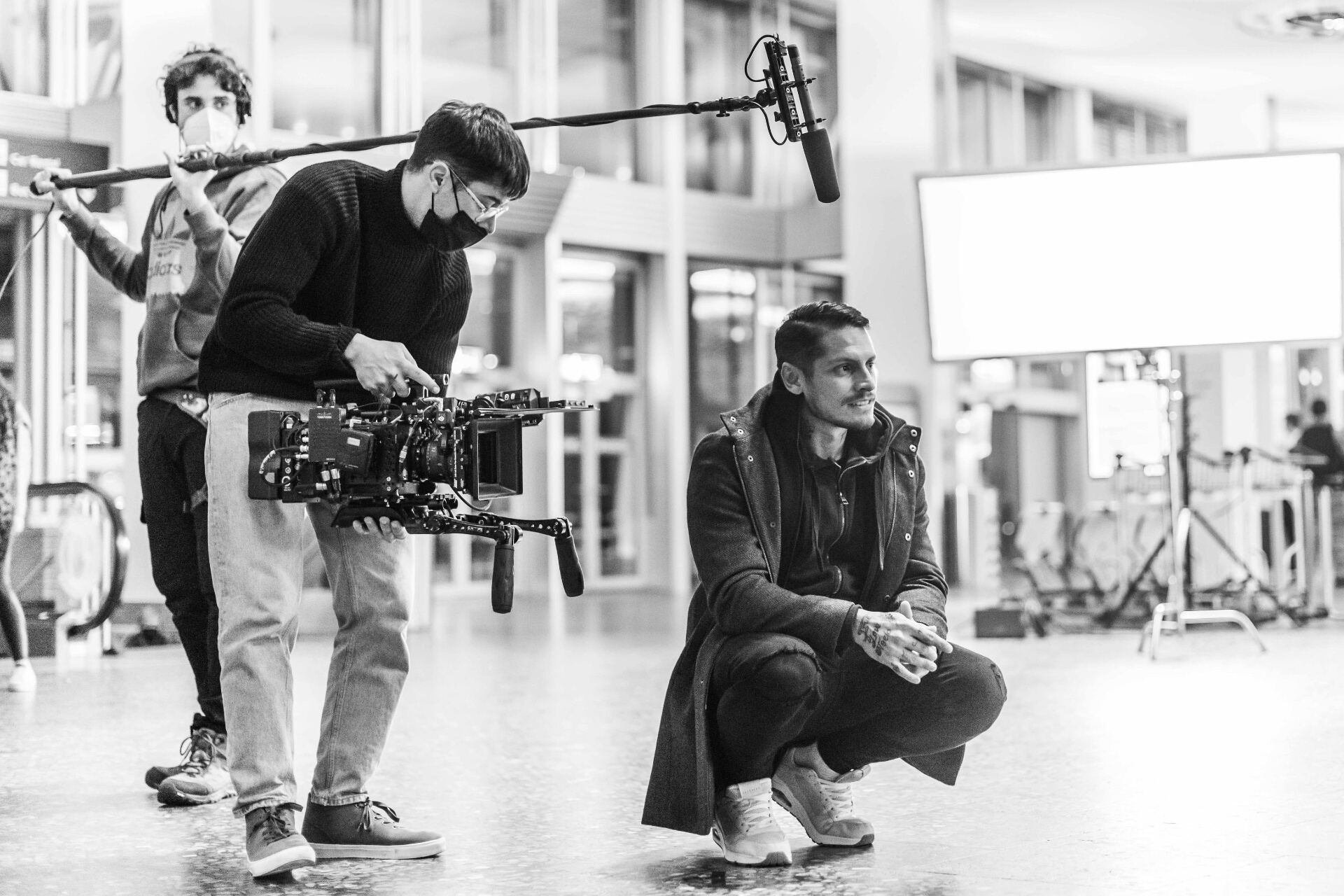
Das absolut wichtigste Konzept hier: das Recht zur EINREISE in die Schweiz und das Recht zur ARBEIT in der Schweiz sind zwei völlig verschiedene Dinge. Die Schweiz gehört zum Schengen-Raum, aber nicht zur EU, und sie hat ihr eigenes zweigleisiges Arbeitsmarktsystem.
Einreise versus Arbeit
Staatsangehörige von visumbefreiten Ländern (USA, UK, Kanada, Australien und die meisten anderen) können ohne Visum für bis zu 90 Tage innerhalb eines rollierenden 180-Tage-Zeitraums in den Schengen-Raum, einschliesslich der Schweiz,einreisen. Diese Erlaubnis gilt jedoch für Tourismus und Geschäftsreisen – sie beinhaltet nicht das Recht zu arbeiten. Bezahlte Filmarbeit erfordert grundsätzlich eine Bewilligung, unabhängig von der Dauer des Aufenthalts. (Es gibt eine enge allgemeine Ausnahme: bis zu 8 Arbeitstage pro Kalenderjahr ohne Bewilligung, mit Ausnahmen für bestimmte sensible Branchen.)
Crew aus EU/EFTA: das Meldeverfahren
Bürger aus EU/EFTA-Staaten und in der EU/EFTA ansässige entsendende Unternehmen können in der Schweiz für bis zu 90 Arbeitstage pro Kalenderjahr mit einem einfachen Online-Meldeverfahren (über EasyGov.swiss) anstelle einer vollen Bewilligung arbeiten. Wichtige Regeln:
- Entsandte Arbeitnehmer und selbstständige Dienstleistungserbringer müssen sich mindestens 8 Tage vor Arbeitsbeginn anmelden.
- Die 90-Tage-Obergrenze gilt sowohl für das entsendende Unternehmen als auch für den einzelnen Arbeitnehmer gleichzeitig.
- Entsandte Crew unterliegt weiterhin den schweizerischen Mindestlohn- und Arbeitsbedingungen.
Die eidgenössischen Kontingente 2026 umfassen 8’500 Bewilligungen für Drittstaaten (4’000 L + 4’500 B), ein separates UK-Kontingent von 3’500 (1’400 L + 2’100 B) sowie 3’500 für EU/EFTA-Dienstleister mit Einsätzen über 120 Tagen pro Jahr (3’000 L + 500 B).
Drittstaatsangehörige (inkl. aller britischen Staatsbürger seit 2021)
Drittstaats- und britische Angehörige benötigen eine kantonale Arbeitsbewilligung. Die Zulassung ist auf qualifizierte Spezialisten beschränkt, der Arbeitsmarkt-Vorrangtest erfordert den Nachweis, dass kein geeigneter Schweizer oder EU/EFTA-Kandidat verfügbar war, und es gelten jährliche eidgenössische Kontingente. Es gibt auch einen erleichterten Weg für ausländische Künstler, die für bis zu 8 Monate engagiert werden, der ausserhalb der Kontingente liegt – hauptsächlich ausgerichtet auf darstellende Künstler und nicht auf Crew hinter der Kamera. Seit dem Brexit sind britische Staatsangehörige Drittstaatsangehörige, obwohl ein Dienstleistungsmobilitätsabkommen zwischen Grossbritannien und der Schweiz (bis Ende 2029) die Dienstleistungserbringung bis zu 90 Tage/Jahr erleichtert.
Für kurze Filmeinsätze sind die 120-Tage-Bewilligung (120 Arbeitstage innerhalb von 12 Monaten) und die Viermonatsbewilligung die gängigsten Instrumente.
ETIAS (EUR 20, bis zu drei Jahre gültig) ist eine Einreisegenehmigung, keine Arbeitsbewilligung. Im September 2026 gibt es keinen bestätigten Starttermin; die EU strich im Juli 2026 ihr Ziel für das letzte Quartal 2026. Prüfen Sie travel-europe.europa.eu/etias vor der Reise.
08Zoll und temporäre Einfuhr von Equipment
Die Schweiz ist nicht in der EU-Zollunion, daher durchquert Equipment aus der EU immer noch eine Zollgrenze. Die gute Nachricht: die temporäre Einfuhr von professionellem Filmequipment ist ein gut etablierter Prozess und bei korrekter Abwicklung zollfrei.
Das Standardinstrument ist das ATA Carnet – ein internationales Zoll-Dokument, das 12 Monate gültig ist und Ihnen erlaubt, professionelles Equipment temporär ein- und wieder auszuführen, ohne an jeder Grenze Zölle oder Kautionen bezahlen zu müssen. Es wird von den Handelskammern im Herkunftsland ausgestellt. Ab dem 1. Juni 2026 ausgestellte Carnets müssen in der Regel digital vorgelegt werden (eATA-App, QR-Code); bis 31. Mai 2026 ausgestellte Carnets bleiben papierbasiert. Die Alternative ist eine schweizerische Zollanmeldung zur vorübergehenden Verwendung (ZAVV).
Einige praktische Punkte: Das Carnet kann nicht für gemietete/geleaste Güter verwendet werden (eine häufige Falle); das Equipment muss unverändert wieder ausgeführt werden; und Waffen benötigen immer eine separate Einfuhrbewilligung, unabhängig vom Carnet. Die schweizerische Einfuhr-Mehrwertsteuer (der Normalsatz beträgt 8,1 %) ist das, was Sie durch die vorübergehende Zulassung bei Equipment vermeiden, das wieder ausgeführt wird.
09Drohnen
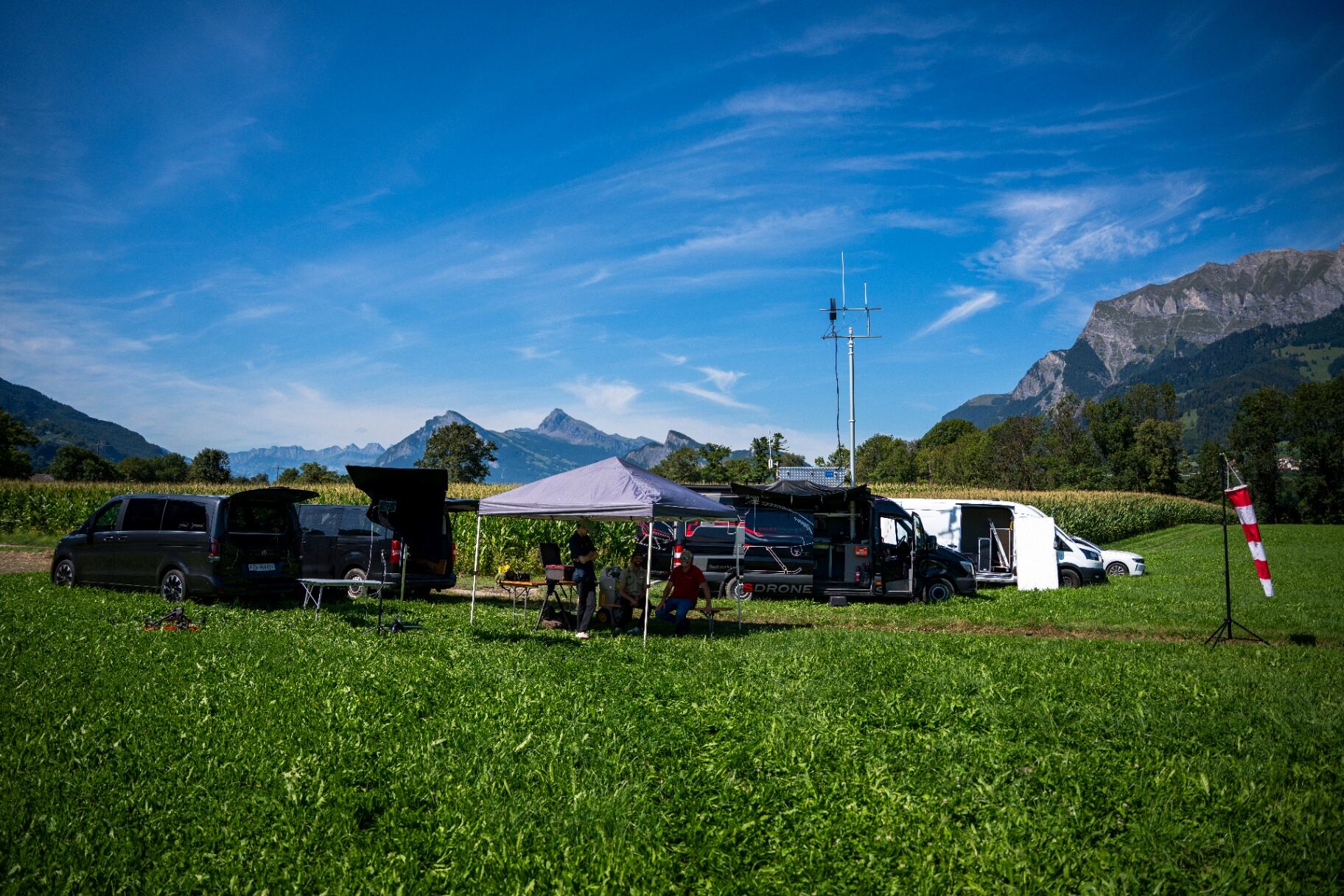
Die Schweiz hat am 1. Januar 2023 das EU/EASA-Drohnen-Regelwerk übernommen, sodass die Regeln europäischen Betreibern vertraut sein werden. Das Wichtigste für eine Produktion:
- Registrierung ist für jede Drohne ab 250 g oder jede Drohne mit Kamera erforderlich – kostenlos über das Online-Portal des FOCA/BAZL (UAS.gate / dLIS). Betreiber, die in einem EASA- Mitgliedstaat registriert sind, werden anerkannt; Nicht-EASA-Betreiber (z.B. aus den USA) registrieren sich kostenlos beim BAZL und absolvieren den A1/A3-Online-Test.
- Versicherung: eine Haftpflichtversicherung von mindestens CHF 1 Million ist für Drohnen ab 250 g obligatorisch, und ein Nachweis muss während des Fluges mitgeführt werden.
- Grundlegende Flugregeln: in Sichtweite bleiben, unter 120 m fliegen und gesperrte Zonen meiden.
- Flugverbots-/Einschränkungszonen: in der Nähe von Flughäfen und Flugplätzen, über Menschenansammlungen, in vielen Naturschutzgebieten und im Schweizerischen Nationalpark (ein totales Verbot). Kantone und Gemeinden können weitere Einschränkungen hinzufügen. Überprüfen Sie immer die FOCA/BAZL-Drohnenkarte vor dem Flug.
- Betrieb, der über die Grenzen der «Offenen Kategorie» hinausgeht, benötigt vorab eineSpezifische Kategorie-Bewilligung vom BAZL.
Die BAZL-Regeln betreffen den Luftraum; der Boden ist Sache der Gemeinde. Ob zusätzlich eine Bewilligung für öffentlichen Grund nötig ist, hängt von Gemeinde und Umfang ab. Basel-Stadt verlangt beispielsweise keine für eine Drohne als minimale mobile Ausrüstung; Crew-Basis, Sperrungen oder längere Belegung lösen jedoch eine Bewilligungspflicht aus. Wir prüfen beides für jeden Drehort.
10Waffen und Requisitenwaffen
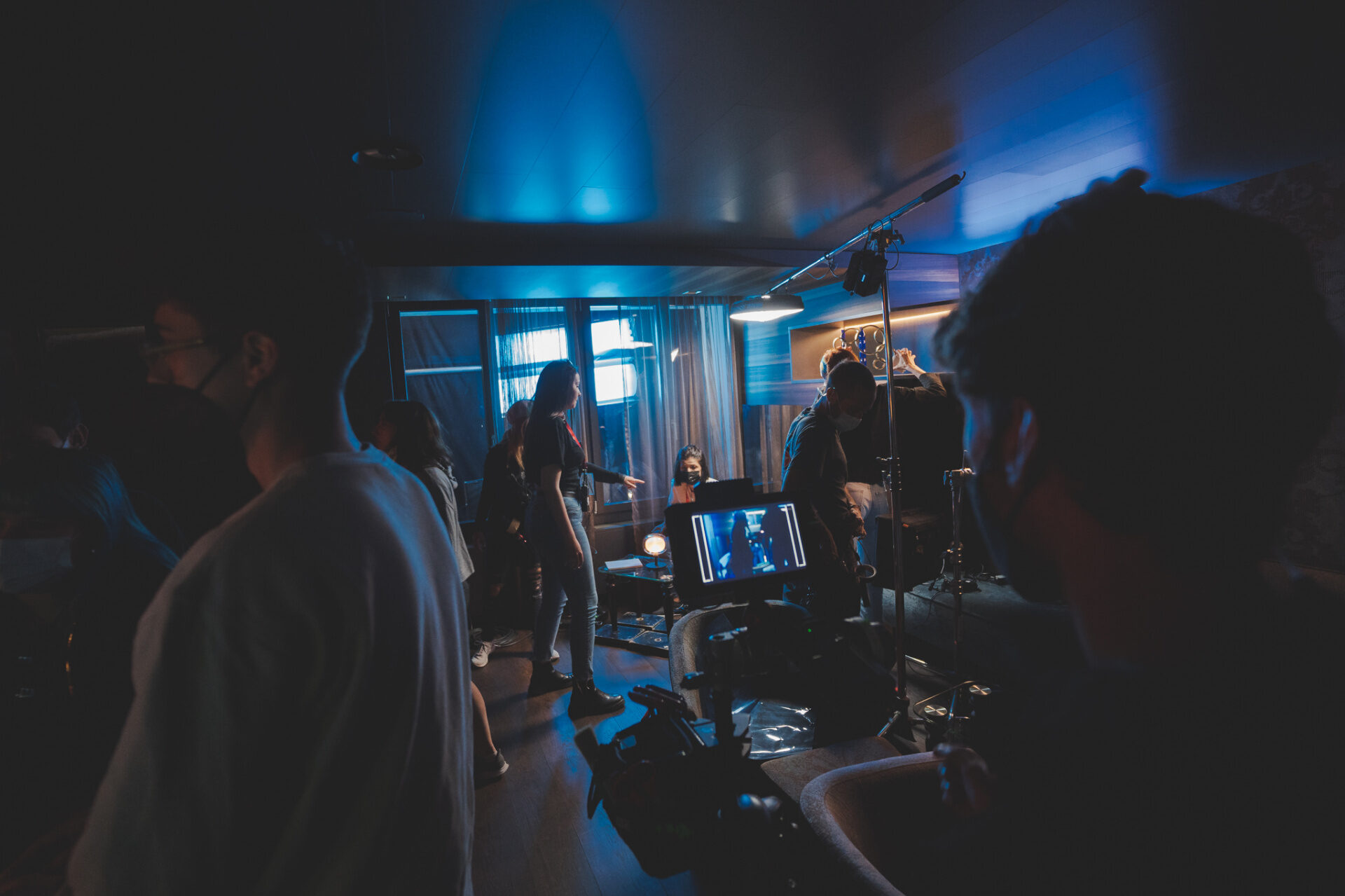
Das Schweizer Waffengesetz ist streng und – wichtig – es behandelt Imitations-, Schreckschuss- und Soft-Air-Waffen als Waffen, sobald eine Verwechslungsgefahr mit einer echten Schusswaffe besteht. Die Annahme «es ist ja nur eine Requisite» ist also nicht sicher.
Die wichtigsten Punkte für eine Produktion:
- Die Einfuhr von Waffen jeglicher Art (einschliesslich Schreckschuss- waffen, Repliken und wesentlicher Bestandteile) erfordert eine Bewilligung der Bundespolizei (fedpol, Zentralstelle Waffen), der in der Regel ein kantonaler Waffenerwerbsschein oder eine Ausnahmebewilligung des kantonalen Waffenbüros vorausgeht. Bestellen oder versenden Sie erst, wenn die Einfuhrbewilligung vorliegt, und deklarieren Sie alles beim Zoll.
- Die Verwendung echter Schusswaffen am Set läuft über das kantonale Ausnahmebewilligungs-Regime; fedpol publiziert ein spezielles Merkblatt für den Waffeneinsatz in Theater und Film. Bewilligungen werden schriftlich, für eine benannte Person, befristet und mit Auflagen erteilt.
- Das Tragen in der Öffentlichkeit ist auch für Repliken/Schreckschuss- waffen generell verboten – es gibt aber eine explizite gesetzliche Ausnahme für die Verwendung in Film, Foto und Theater.
- Platzpatronen gelten rechtlich nicht als «Munition» im Sinne des Waffengesetzes, bleiben aber physisch gefährlich (lauter Knall, heisses Gas, hoher Druck).
- Ein Waffenmeister, der eine Tragebewilligung besitzt, ist die feste Schweizer Branchennorm: Er bringt die Waffen, lagert sie unter Verschluss und händigt sie den Schauspielern nur für die jeweilige Aufnahme unter Aufsicht aus. Zunehmend werden Mündungsfeuer und Blut in der Postproduktion hinzugefügt, was den Einsatz echter Waffen reduziert – ein Trend, der durch die erhöhte globale Aufmerksamkeit seit dem «Rust»-Vorfall von 2021 verstärkt wurde.
Rechnen Sie mit 4–8 Wochen Vorlaufzeit für Waffenbewilligungen und erwarten Sie kantonale Unterschiede im Verfahren.
11Versicherungen und obligatorische Sozialabgaben
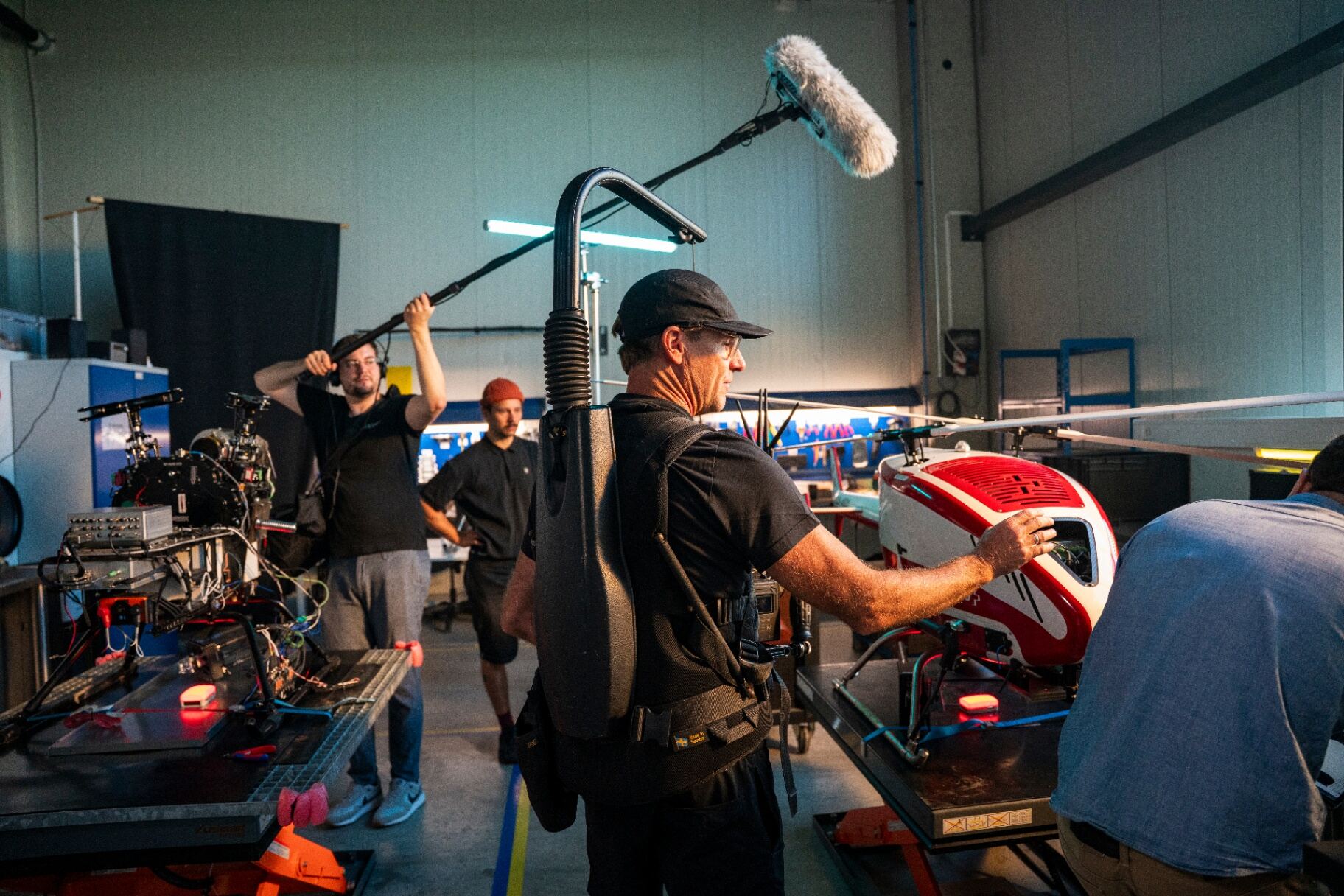
Einige Schweizer Versicherungen sind für angestellte Crew gesetzlich vorgeschrieben; andere sind Erwartungen der Branche/Finanziers. Den Unterschied zu kennen, schützt Ihr Budget.
Gesetzlich vorgeschrieben
- Unfallversicherung (UVG): Alle in der Schweiz arbeitenden Angestellten müssen gegen Berufsunfälle versichert sein (der Arbeitgeber zahlt diese Prämie); wer 8+ Stunden/Woche für denselben Arbeitgeber arbeitet, ist auch gegen Nichtberufsunfälle versichert (der Arbeitnehmer zahlt diese Prämie, es sei denn, der Arbeitgeber übernimmt sie). Der maximal versicherte Lohn beträgt CHF 148,200/Jahr.
- Sozialversicherungsbeiträge: AHV/IV/EO total 10,6 % des Lohns (hälftig aufgeteilt, je 5,3 % Arbeitgeber/Arbeitnehmer) und Arbeitslosenversicherung (ALV) 2,2 % (je 1,1 %), bestätigt unverändert für 2026, zuzüglich der beruflichen Vorsorge (BVG) und der vom Arbeitgeber allein getragenen Familienzulagen. Als Faustregel gilt, dass die Schweizer Arbeitgeber-Lohnnebenkosten sich auf rund 15–20 % des Bruttolohns belaufen.
Da all dies an eine Anstellung in der Schweiz geknüpft ist, entbindet eine ausländische Versicherungspolice nicht von diesen Verpflichtungen. In der Praxis beauftragen internationale Produktionen einen Schweizer Serviceproduzenten als Arbeitgeber (Employer-of-Record) für die lokale Crew, der die Schweizer Lohnbuchhaltung führt und die obligatorischen Deckungen bereitstellt.
Branchen-/Finanzier-Erwartungen (keine gesetzlichen Vorschriften)
Produktions-/Betriebshaftpflicht, Equipment-, Negativ-/Film-, Cast- und Errors & Omissions (E&O)-Versicherungen werden von Finanziers, Sendern und Location-Eigentümern verlangt, nicht per Gesetz. Bestimmte Drehgenehmigungen und Location-Verträge erfordern einen Nachweis der Haftpflichtversicherung – daher ist eine Haftpflichtdeckung faktisch unumgänglich, auch wenn sie nicht streng genommen eine gesetzliche Vorschrift ist. Und für Drohnenab 250g ist eine Haftpflichtversicherung von mindestens CHF 1 Mio. gesetzlich vorgeschrieben.
12Steuern und Mehrwertsteuer (MwSt.)
Mehrwertsteuer (MwSt.)
Die Schweizer Mehrwertsteuersätze (MwSt.) für 2026 betragen 8,1 % (Normal- satz), 2,6 % (reduzierter Satz) und 3,8 % für Beherbergungs- leistungen. Eine ausländische Produktion muss sich für die Schweizer MwSt. registrieren, sobald ihr weltweiter Umsatz CHF 100,000übersteigt – und für ein ausländisches Unternehmen ohne Sitz in der Schweiz gilt die Registrierungspflicht dann ab dem ersten Schweizer Franken Umsatz, wobei ein Schweizer Fiskalvertreter erforderlich ist.
Wenn Sie nicht registrierungspflichtig sind, können Sie die Schweizer Vorsteuer oft über das Rückerstattungsverfahren für ausländische Unternehmen zurückfordern – vorausgesetzt es besteht Gegenseitigkeit(Ihr Heimatland muss Schweizer Unternehmen gleichwertige Rückerstattungen anbieten; die USA qualifizieren sich beispielsweise, aber einige Länder nicht), ein jährliches Minimum von CHF 500 und eine strenge Einreichungsfrist bis zum 30. Juni für das Vorjahr.
Quellensteuer für ausländische Künstler
Ausländische Künstler und Darsteller ohne Schweizer Steuersitz unterliegen der Quellensteuer auf ihr in der Schweiz erwirtschaftetes Einkommen. Die Steuerbemessungsgrundlage ist das Tageseinkommen nach einem Pauschalabzug von 50 % für Künstler; die Bundessätze sind gestaffelt (0,8–7 %) mit kantonalen Sätzen zusätzlich, so dass die effektiven Gesamtsätze häufig im Bereich von ~9–15 % liegen. Der Produzent/Veranstalter ist gesetzlich verpflichtet, diese Steuer abzuziehen und abzuführen. Bei Zahlungen unter CHF 300 pro Veranstalter fällt keine Steuer an. Doppelbesteuerungs- abkommen sind relevant – das Abkommen mit den USA erlaubt der Schweiz beispielsweise erst eine Besteuerung, wenn die Bruttoeinnahmen 10,000 USD übersteigen, aber der Quellensteuerabzug ist dennoch die sichere Standardvorgehensweise.
Unternehmenssteuern
Ein ausländisches Unternehmen unterliegt nur dann der Schweizer Unternehmenssteuer, wenn es eine Schweizer Betriebsstätte begründet. Ein kurzer, gut strukturierter Dreh, der über einen Schweizer Serviceproduzenten abgewickelt wird, vermeidet dies im Allgemeinen — aber es lohnt sich, Rat einzuholen, da eine Betriebsstätte auch Lohn-, Sozialversicherungs- und Mehrwertsteuer- pflichten nach sich zieht.
13Kinderdarsteller und Minderjährige am Set
Das allgemeine Mindestalter für Arbeit in der Schweiz ist 15 Jahre – aber es gibt eine spezifische, klar definierte Ausnahme für kulturelle, künstlerische und werbliche Darbietungen (einschliesslich Film-, TV- und Fotoaufnahmen sowie Proben), was bedeutet, dass Kinder unter 15, bis hin zu Babys, legal vor der Kamera auftreten können. Die Bedingungen sind streng und sollten bei der Planung berücksichtigt werden:
- Melden Sie den Einsatz mindestens 14 Tage im Voraus beim kantonalen Arbeitsinspektorat. Wenn innerhalb von 10 Tagen keine Einwände erhoben werden, ist die Beschäftigung erlaubt. Planen Sie dieses Zeitfenster in Ihren Zeitplan ein.
- Stundenbegrenzungen: Kinder unter 13 Jahren dürfen maximal 3 Stunden/Tag und 9 Stunden/Woche arbeiten. Schulpflichtige Kinder arbeiten während des Schuljahres gleich viel, mit mehr erlaubten Stunden während der Schulferien (nur tagsüber). Dies sind harte Grenzen – Kinder können nicht für lange Drehtage eingesetzt werden.
- Tägliche Ruhezeit von mindestens 12 Stunden.
- Nacht- und Sonntagsarbeit sind für Minderjährige generell verboten, mit einer engen Ausnahme (bis 23:00 Uhr und an Sonntagen) für kulturelle/künstlerische Veranstaltungen, die nur am Abend oder am Sonntag stattfinden – diese Ausnahme gilt nicht für Werbedrehs.
- Elterliche Zustimmung ist erforderlich, die Produktion muss die Eltern über Bedingungen und Gefahren informieren, und die Schulbildung darf nicht beeinträchtigt werden. Eine Betreuungsperson und ein Tutor sind Standard; einige Kantone verlangen ein ärztliches Attest.
Die Durchsetzung liegt beim kantonalen Arbeitsinspektorat, mit Aufsicht des Bundes durch das SECO.
14Drehorte und die vier Regionen
Die Geografie der Schweiz ist ihr grösstes Kapital: aussergewöhnliche Vielfalt auf kurzen Distanzen, wobei die meisten Regionen innerhalb von ein bis drei Stunden voneinander entfernt sind. Grob unterteilt:
Wir haben sie mit einer Vielzahl von Bildern aufgeschlüsselt, um die visuelle Vielfalt auf unseren Locations-Seitenzu zeigen.
15Dreharbeiten im Gebirge
Es gibt keine einzelne «Alpenbewilligung» – der Zugang hängt davon ab, wer das jeweilige Gelände oder die Anlage kontrolliert:
- Seilbahnen, Standseilbahnen und Zahnradbahnen werden von ihren Betreibergesellschaften kontrolliert. Zu den ikonischen Optionen gehören das Jungfraujoch («Top of Europe», 3,454 m, höchstgelegener Bahnhof Europas, neben dem Aletschgletscher mit ganzjähriger Schneegarantie), das Schilthorn / Piz Gloria (2,970 m, ein James- Bond-Drehort), der Gornergrat oberhalb von Zermatt (mit Matterhorn- blick) und das Matterhorn Glacier Paradise (3,883 m, der höchste mit einer Seilbahn erreichbare Punkt Europas). Dreharbeiten an ihren Anlagen erfordern die Erlaubnis und Organisation des Betreibers – manchmal auch exklusiven Zugang am frühen Morgen.
- Berghütten, Gletscher und Alpwiesen erfordern die Erlaubnis des Eigentümers oder Verwalters (SAC-Sektionen, Gemeinden, private Eigentümer) und können in Schutzzonen mit saisonalen Einschränkungen liegen.
- Helikopterzugang und Luftaufnahmen werden von spezialisierten Alpin-Operatoren angeboten – Air Zermatt ist die bekannteste, die Filmflüge, Aussenlasttransporte zu unzugänglichen Orten und Gletscherzugang anbietet (Zürich bis Zermatt ist etwa eine Stunde mit dem Helikopter).
Arbeiten in grosser Höhe hängen von Wetterfenstern ab – Betreiber fliegen nur bei geeigneten Bedingungen und planen routinemässig um – und Bergführer sind unerlässlich für Gletscher- und Hochalpendrehs wegen Spalten- und Lawinengefahr.
16Notrufnummern und Sicherheit am Set
17Beste Jahreszeit für Dreharbeiten
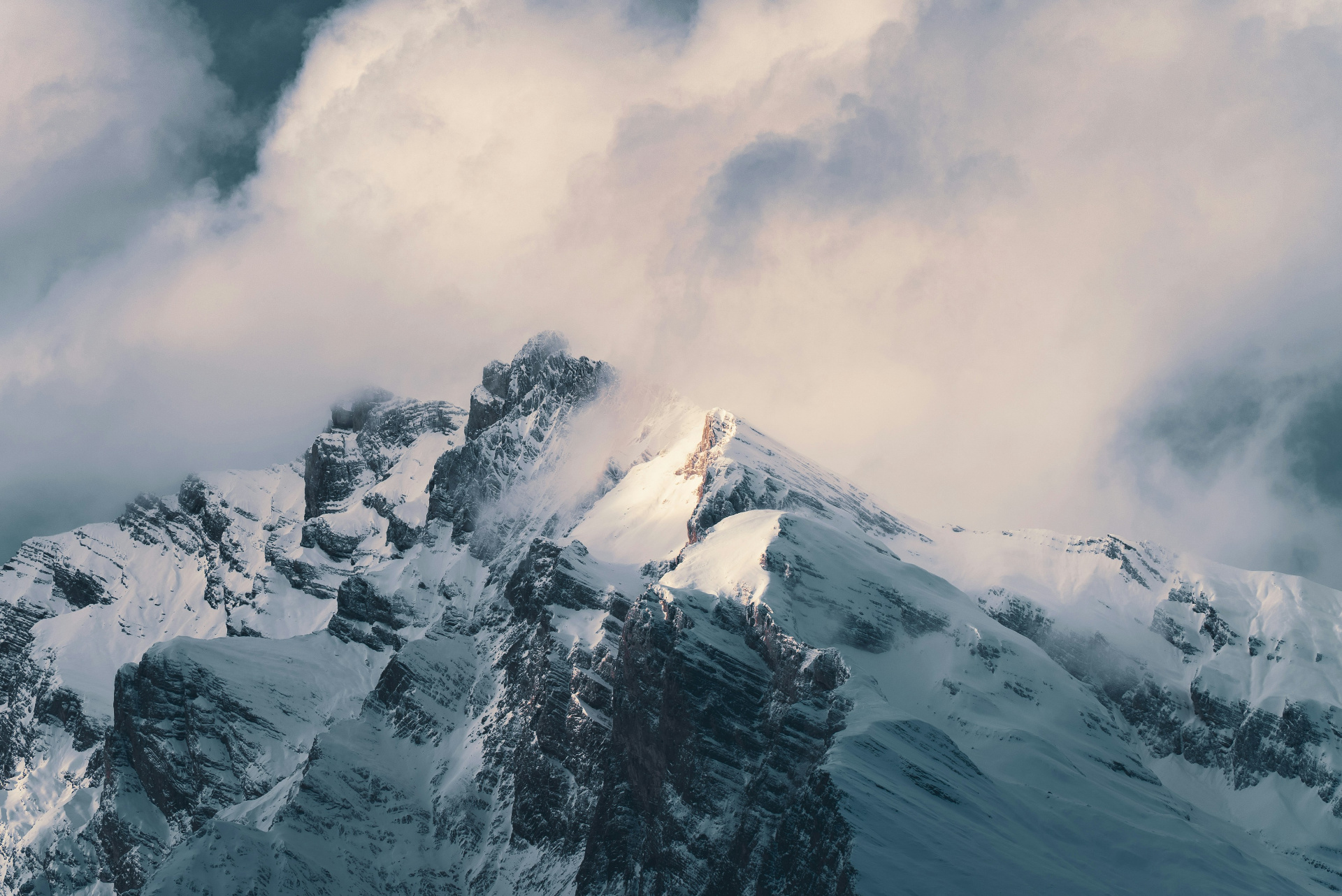
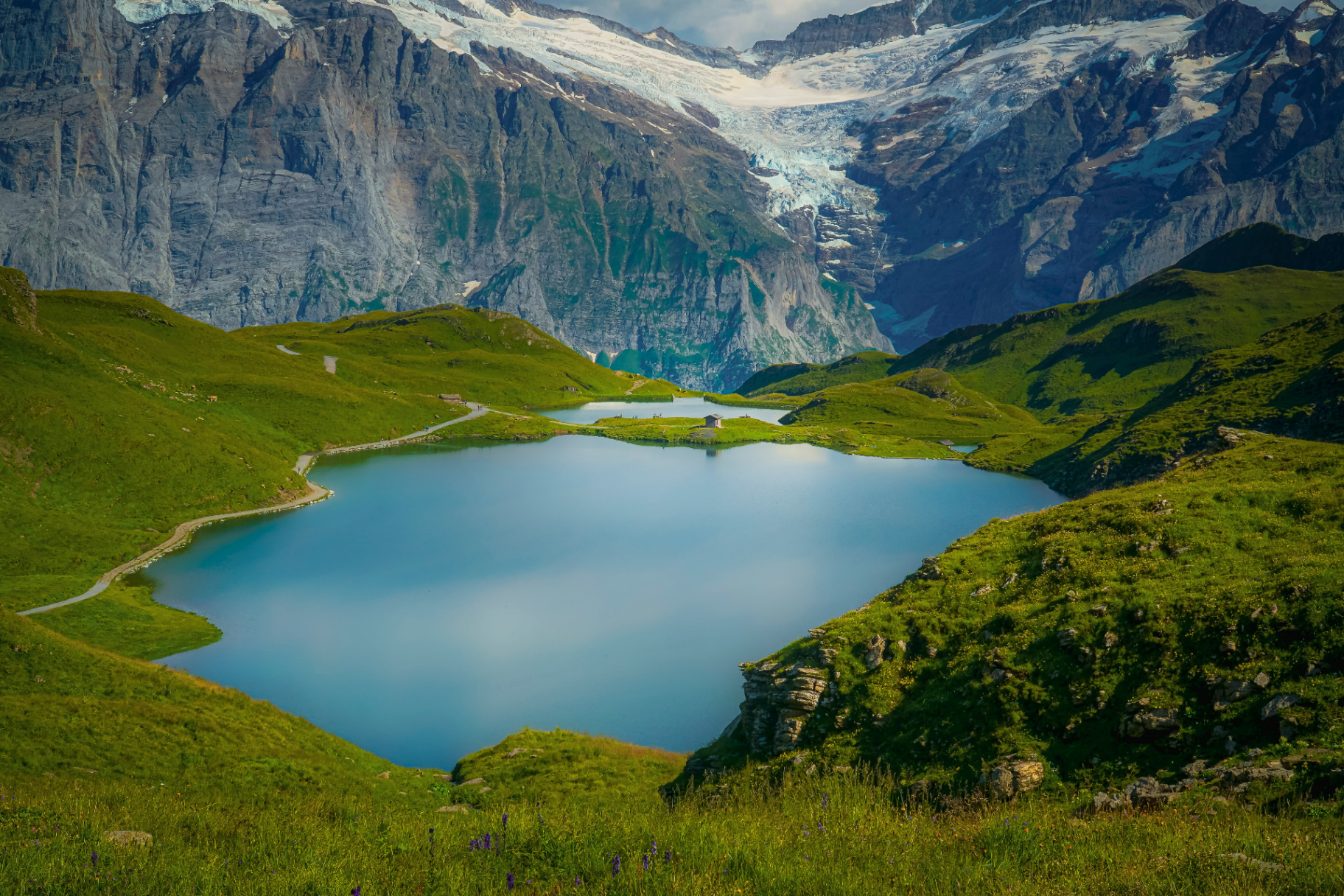
- Hochalpine Pässe und Gletscher: in der Regel zugänglich von Ende Juni bis Oktober. Bergpässe öffnen typischerweise zwischen Mitte Mai und Mitte Juni und schliessen von November bis Mai (2026 öffnete der Gotthardpass am 8. Mai und der Sustenpass am 12. Juni). Einige Pässe – Bernina, Julier, Simplon und andere – bleiben ganzjährig geöffnet.
- Ski- und Wintersport-Dreharbeiten: ungefähr von Dezember bis April; Gletschergebiete wie das Matterhorn Glacier Paradise ermöglichen ganzjähriges Skifahren.
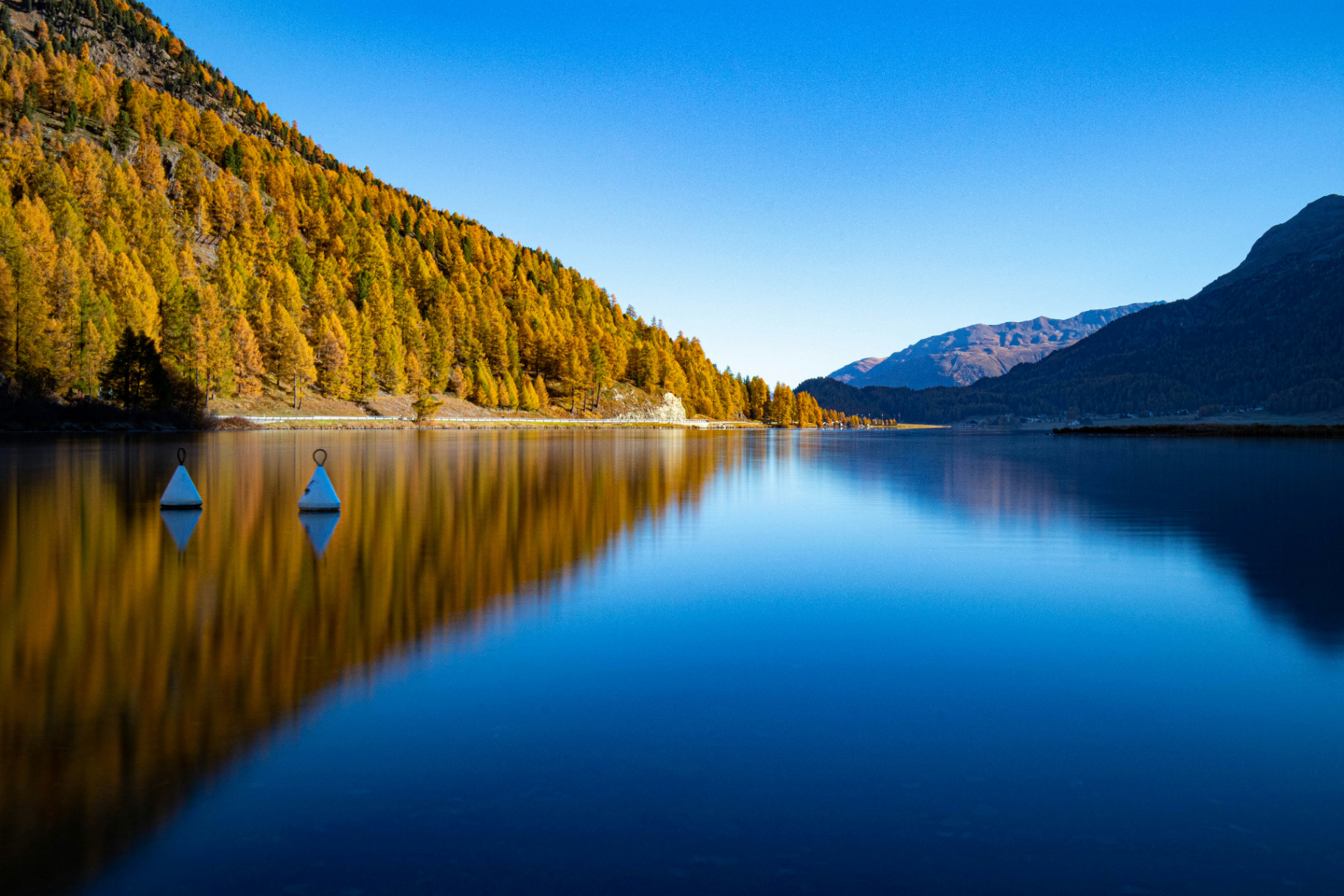
- Herbst: farbenfrohe Landschaften und frische Luft, aber im Flachland ist Nebel häufig – obwohl die Berge oft darüber in der Sonne liegen, was spektakulär sein kann.
- Frühling und Sommer: der Sommer bringt das wärmste Wetter, den besten hochalpinen Zugang und lange Tage, mit häufigen Nachmittags- gewittern.
Kurz gesagt: Sommer für Alpin- und Passstrassen-Arbeiten und Aussenaufnahmen in der Stadt; Winter für Schnee; Herbst für Laubfärbung und neblige Atmosphäre; und die Übergangszeiten im Frühling/Herbst für günstigere Logistik.
18Wetter und Klima
Der nationale Wetterdienst der Schweiz, MeteoSchweiz, ist die massgebliche Quelle für die Planung. Das Land gliedert sich in einige Klimazonen:
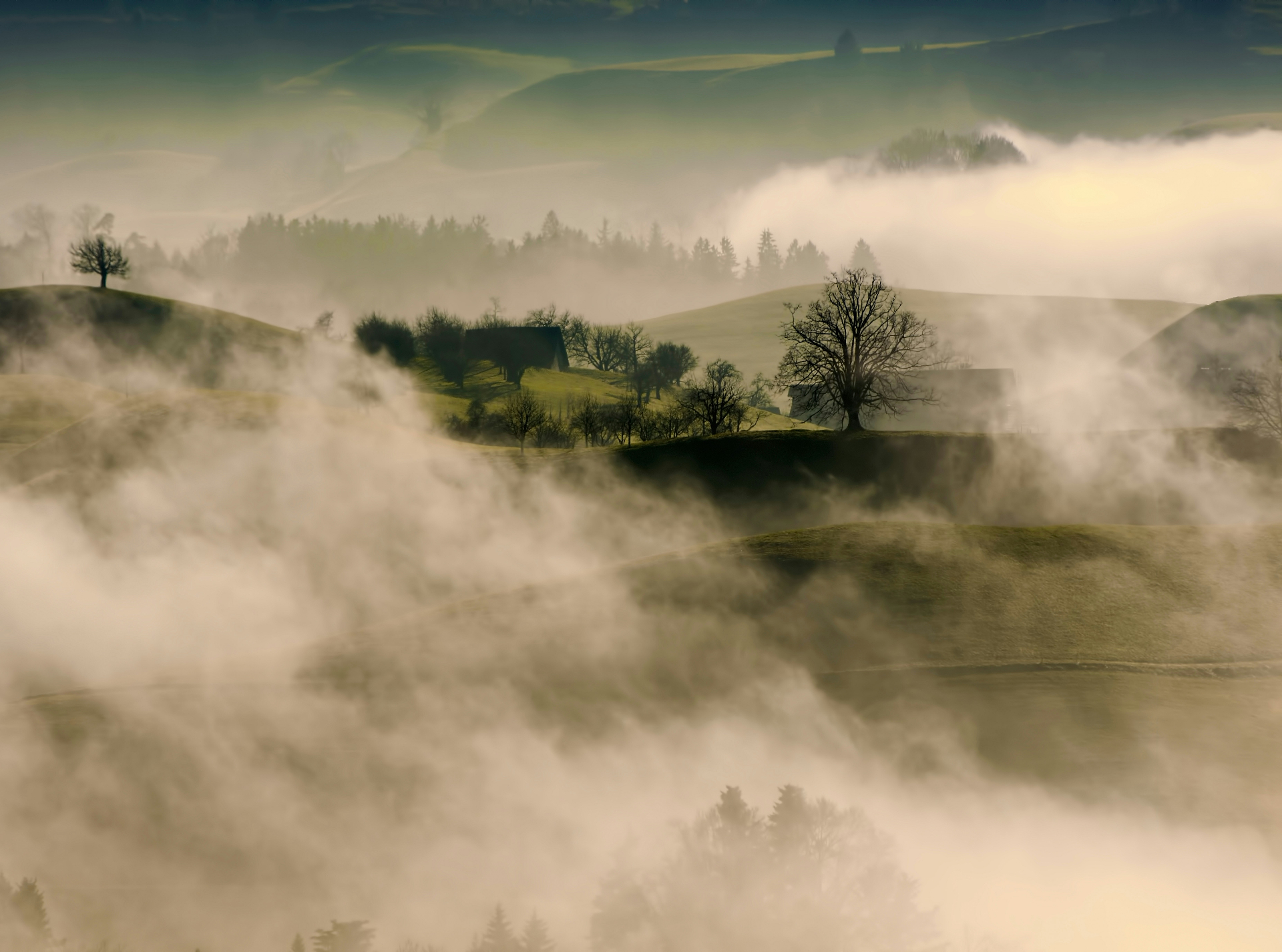
- Das Mittelland – Zürich, Bern, Genf – ist gemässigt kontinental: kalte Winter um den Gefrierpunkt, Sommer mit durchschnittlich ~19–20°C und gelegentlichen Spitzen über 30°C. Herbst- und Winternebel sowie tiefe Stratuswolken können das Flachland tagelang einhüllen und den Sonnenschein stark reduzieren – ein echter Planungsfaktor.
- Die Alpen werden mit der Höhe kälter und haben ganzjährigen Schnee über ~3,000 m. Dank der Temperaturinversion können Alpenorte im Winter in der Sonne über einer Nebelschicht im Flachland liegen.
- Das Tessin und der Süden sind mild und mediterran geprägt – Lugano ist der wärmste Ort der Schweiz – sonnig, aber mit starken Regenfällen im Frühling und Herbst.
Das Alpenwetter ändert sich schnell, Nachmittagsgewitter sind von Mai bis September häufig, und der Föhn kann die Temperaturen innerhalb einer Stunde stark ansteigen lassen. Planen Sie für Bergtage Reservetage ein.
19Anreise: Flughäfen
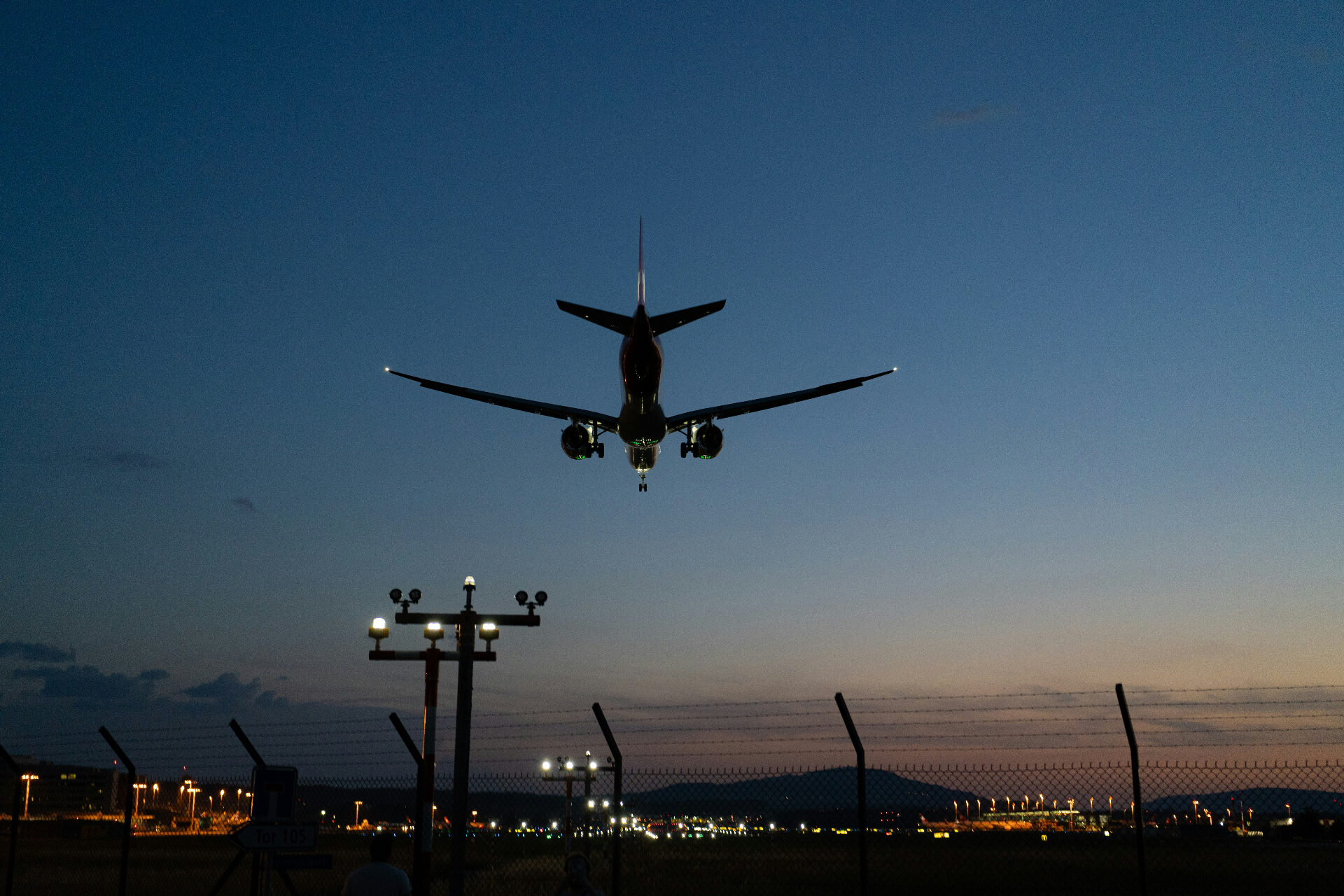
Die Schweiz hat drei internationale Flughäfen:
- Zürich (ZRH) — der wichtigste interkontinentale Hub: ~32,6 Millionen Passagiere im Jahr 2025, verbunden mit rund 200 Zielen. Das Stadtzentrum von Zürich ist etwa 10 Minuten mit dem Zug entfernt, Luzern etwa 45 Minuten, und Skigebiete sind in etwa einer Stunde erreichbar. Der Flughafen bietet auch einen separaten VIP-Terminal-Service für hochkarätige Ankünfte.
- Genf (GVA) — ~17,8 Millionen Passagiere, Tor zum Genfersee und Wallis.
- Basel-Mulhouse (BSL/EuroAirport) — binational, starke Low-Cost- und regionale Anbindung.
Alle drei wickeln Luftfracht für Equipment ab. Regionalflughäfen (Bern, Lugano, Sion, St. Gallen) und das nahe gelegene Mailand Malpensa (ein praktisches Tor zum Tessin) runden die Optionen ab.
Dreharbeiten am Flughafen
Flughäfen sind filmbar, aber sie sind kontrollierte Umgebungen – jeder Dreh braucht eine Vorab-Bewilligung, und es können keine Bereiche gesperrt werden. Zürich (ZRH) ist der unkompliziertere der beiden: Er publiziert eine feste Preisliste und einen Prozess. Die Drehkosten beginnen bei CHF 405 für die erste Stunde (Gruppen bis 10), wobei der Zugang zum Airside-Bereich (nach der Sicherheitskontrolle) eine kostenpflichtige Begleitung erfordert und nur in Ausnahmefällen gewährt wird. Beantragen Sie die Bewilligung mindestens 4 Wochen im Voraus (2 Wochen für Standbilder). Szenen an Gates und Check-ins sowie erkennbare SWISS- oder Edelweiss-Flugzeuge benötigen zusätzlich zur Flughafenbewilligung die Genehmigung der Fluggesellschaft und des Handling-Agenten. Der architektonisch auffällige Circle ist ein beliebter landseitiger Drehort. Genf (GVA) hat keine publizierten Tarife – Dreharbeiten werden von Fall zu Fall mit dem Kommunikationsteam des Flughafens vereinbart, mindestens 48 Stunden im Voraus.
20Transport vor Ort: Schiene und Strasse
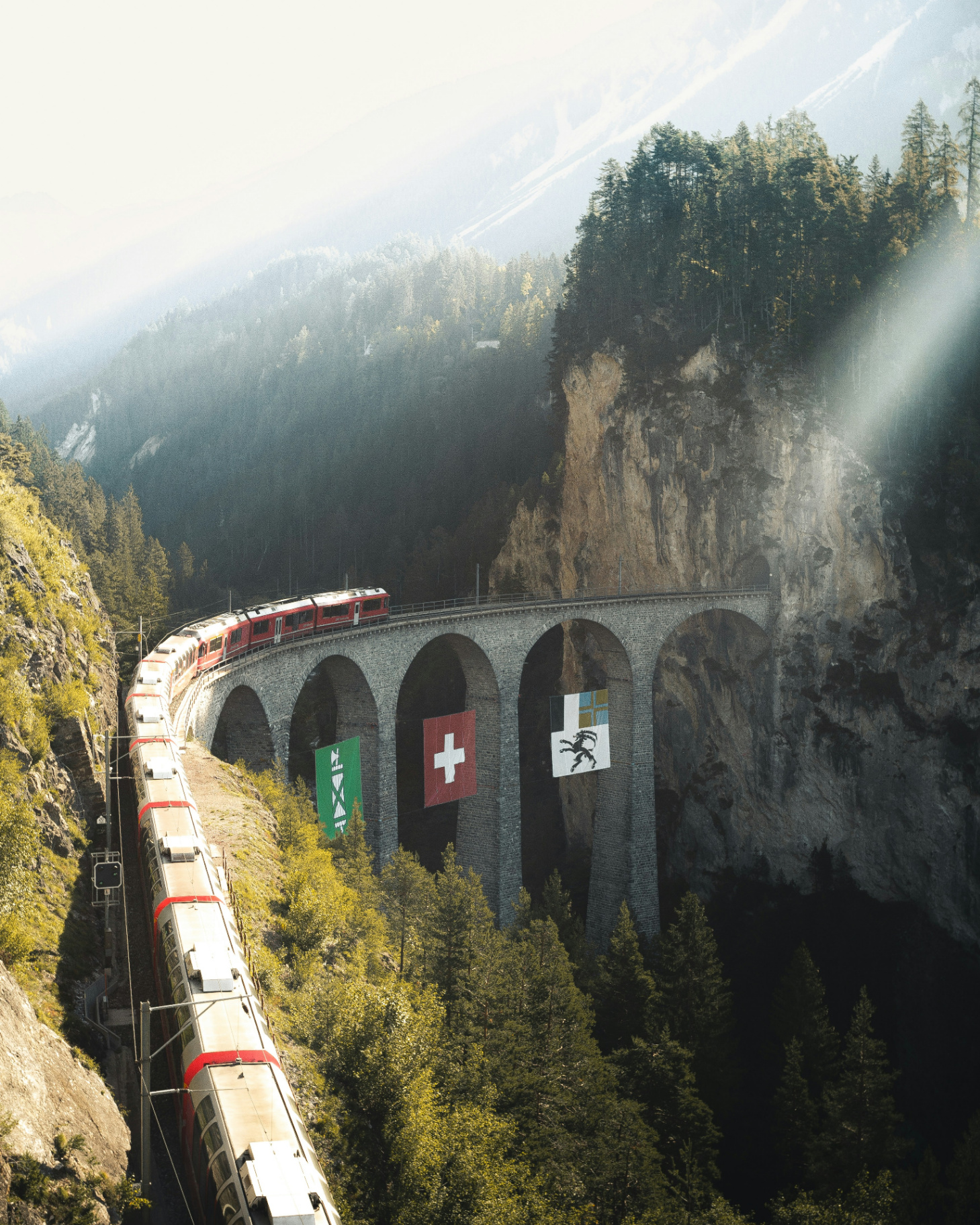
Das Schienennetz der Schweiz ist das am intensivsten genutzte in Europa und eines der pünktlichsten der Welt: Die SBB verzeichnete 2025 eine Rekord-Pünktlichkeitsrate von94,1 % (wobei «pünktlich» weniger als 3 Minuten Verspätung bedeutet – viel strenger als in den Nachbarländern), mit einer Anschlusspünktlichkeit von 98,6 %. Das Netz umfasst ~5,400 km Eisenbahnstrecken, 1,000 km Bergbahnen und mehr als 1,400 Tunnel.
Ungefähre Schnellzug-Fahrzeiten:
Für die Strasse ist eine Autobahnvignette (CHF 40/Jahr) obligatorisch – erhältlich als Aufkleber oder E-Vignette. Der Gotthard-Strassentunnel ist in der Vignette inbegriffen, ist aber an Sommerwochenenden stark überlastet. Autofreie Orte (Zermatt, Wengen, Mürren) erfordern den Equipment-Transfer per Zug und Elektrofahrzeugen.
21Unterkunft
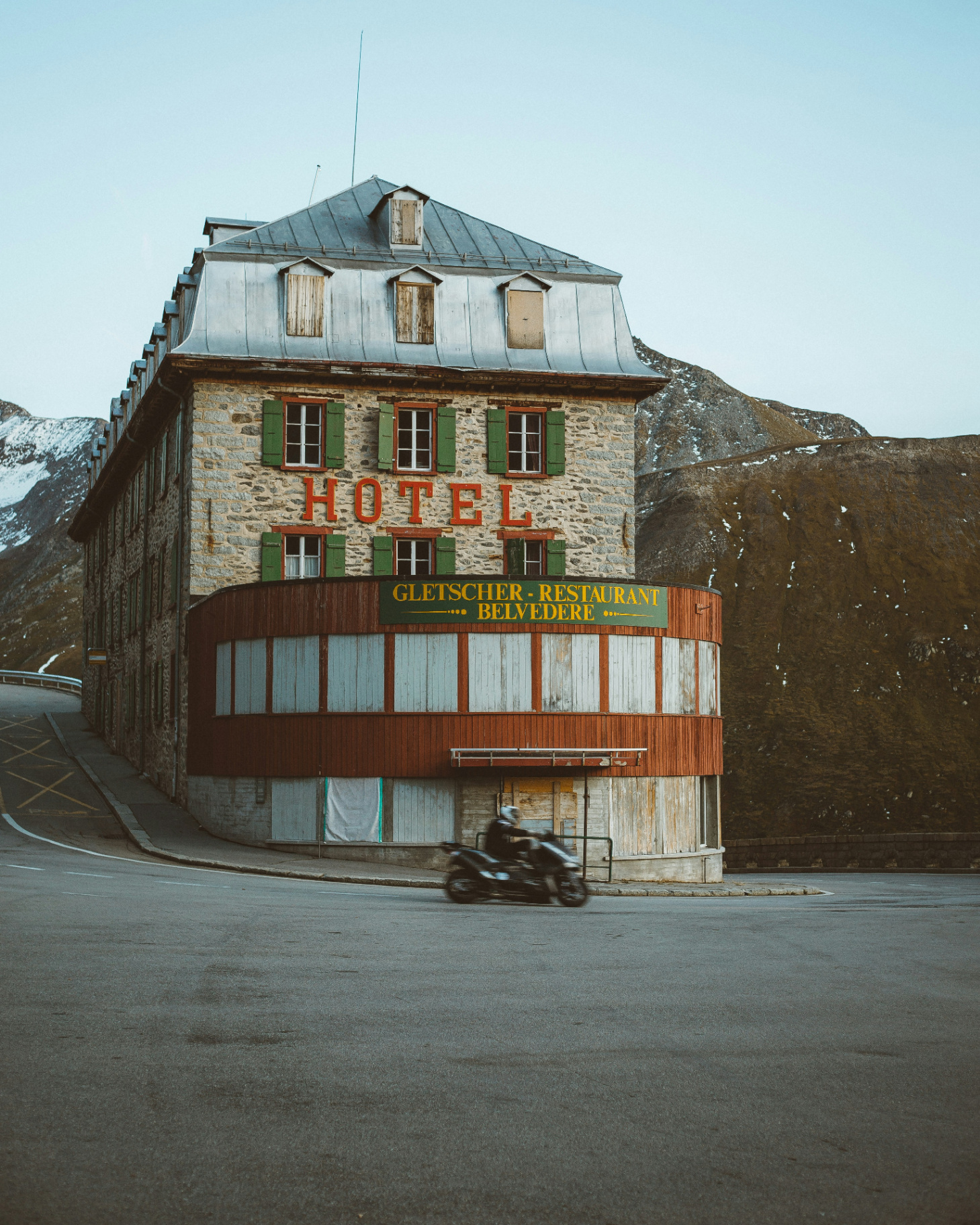
Die Schweiz gehört zu den teuersten Unterkunftsmärkten der Welt. Ungefähre Preisspannen für 2025–2026: Mittelklasse-Stadthotels kosten etwa CHF 200–450/Nacht; Alpenorte wie Zermatt und St. Moritz steigen in der Haupt-Skisaison weit über CHF 500. Restaurantbesuche kosten CHF 30–50 pro Person, weshalb Serviced Apartments eine übliche kostensparende Massnahme für Crews sind.
Praktische Hebel: Unterbringung der Crews in günstigeren Nachbardörfern (z.B. Täsch, eine Zugstation vom autofreien Zermatt entfernt), frühzeitige Buchung für die Hauptsaison und Berücksichtigung des Gepäck-/Equipment-Transfers, den autofreie Orte erfordern.
22Sprachen und Regionen
Die Schweiz hat vier Landessprachen, und in welcher Sie arbeiten werden, hängt ganz vom Kanton ab. Nach Hauptsprache aufgeteilt, ist die Bevölkerung etwa etwa 62 % Deutsch, 23 % Französisch, 8 % Italienisch und 0,5 % Rätoromanisch (Bundesamt für Statistik; mehrere Hauptsprachen sind möglich).
- Deutsch — Norden, Zentrum und Osten (Zürich, Bern, Basel, Luzern). Gesprochenes Schweizerdeutsch ist eine Gruppe von Dialekten, die sich ziemlich von der Schriftsprache (Hochdeutsch) unterscheidet.
- Französisch — der Westen / Romandie (Genf, Waadt, Neuenburg, Jura; zweisprachig Bern, Freiburg, Wallis).
- Italienisch — Tessin und die südlichen Täler Graubündens.
- Rätoromanisch — Teile des dreisprachigen Graubünden.
Für Produktionen gilt die Faustregel, Bewilligungen zu beantragen und Fixer in der dominanten Sprache des Kantons zu engagieren – Französisch in Genf, Deutsch in Zürich und Luzern, Italienisch im Tessin. Englisch hat keinen offiziellen Status, wird aber im Geschäfts- und Tourismusbereich weithin als Arbeits-Lingua-Franca gesprochen, und Schweizer Crews sind sehr mehrsprachig.
23Feiertage und Sonntagsregeln
Die Schweiz nimmt Ruhetage ernst, und dies beeinflusst Drehpläne tatsächlich. Nur der 1. August (Nationalfeiertag) ist ein landesweit gesetzlich vorgeschriebener Feiertag; fast alle anderen öffentlichen Feiertage werden von den Kantonen festgelegt und variieren – stellen Sie Ihren Feiertagskalender also nach dem Kanton zusammen, in dem Sie tatsächlich drehen, nicht nach Ihrer Produktionsbasis.
Wichtiger noch: Sonntagsruhe und Lärmschutzregeln sind real und werden durchgesetzt. Lärmbeschränkungen gelten in der Regel den ganzen Tag an Sonn- und Feiertagen, mit typischen Nachtruhezeiten von etwa 22:00–06:00/07:00 und einer Mittagsruhe an vielen Orten. Nach dem Arbeitsgesetz erfordern Sonntags- und Nachtarbeit eine Bewilligung, mit Ausgleichsruhe und (für Nachtarbeit) Zuschlägen.
Die praktische Auswirkung: Ein Location-Dreh mit hörbarer Aktivität an einem Sonn- oder Feiertag kann gegen kommunale Regeln verstossen und eine spezielle Bewilligung erfordern, und Crew, die an Sonn-, Feiertagen oder nachts arbeitet, löst Bewilligungs- und Zuschlagspflichten aus. Nichts davon blockiert einen Dreh – es muss nur geplant und genehmigt werden.
24FAQ: Dreharbeiten in der Schweiz
Brauche ich eine Drehgenehmigung?
Es gibt keine nationale Genehmigung. Zuständig ist die Gemeinde oder teilweise der Kanton. In Zürich braucht es eine Bewilligung bei mehr als einer Stunde, Infrastruktur oder mehr als fünf Personen.
Wie lange dauert eine Bewilligung?
Von 14 Tagen für kleine Basler Drehs über sechs Wochen für bis zu vier Tage bis zu drei Monaten für längere Drehs. In Zürich mindestens vier Wochen einplanen.
Erhalten ausländische Produktionen Rückvergütungen?
Ja, regional: Wallis 15–35 %, Genf bis 30 %, Zürich bis CHF 30'000 und Tessin/Locarno bis CHF 20'000. FiSS/PICS setzt eine offizielle Schweizer Koproduktion voraus.
Sind Werbefilme förderfähig?
Im Allgemeinen nicht, ausgenommen Scouting-Beiträge in Zürich und der Zentralschweiz.
Welche Drohnenregeln gelten?
Es gelten die EU-Regeln. Falls erforderlich beim BAZL registrieren, ab 250 g CHF 1 Mio. Haftpflichtversicherung mitführen, unter 120 m und auf Sicht fliegen sowie die BAZL-Karte prüfen. Im Nationalpark sind Drohnen verboten.
Braucht ausländische Crew eine Arbeitsbewilligung?
EU/EFTA-Crews nutzen bis 90 Tage pro Jahr das Online-Meldeverfahren mindestens acht Tage im Voraus. Drittstaaten- und UK-Crews benötigen eine kantonale Bewilligung.
Wie führe ich Kameraequipment ein?
Mit einem ATA Carnet. Ab 1. Juni 2026 ausgestellte Carnets müssen in der Regel digital vorgelegt werden.
Wie hoch ist die Mehrwertsteuer?
8,1 % normal, 3,8 % Beherbergung und 2,6 % reduziert.
Was kostet eine Schweizer Filmcrew?
Die SSFV-Richtlöhne gelten pro Woche bei 50 Stunden. Ein DoP verdient CHF 3'665–4'765 Grundlohn pro Woche, zuzüglich Ferienentschädigung und Sozialabgaben.
Brauche ich eine lokale Produktionsfirma?
Gesetzlich nicht, aber ein Schweizer Employer-of-Record vereinfacht Lohnbuchhaltung, Sozialversicherung, Quellensteuer und Bewilligungen. FiSS/PICS kann nur ein Schweizer Produzent beantragen.
25Wie ORISONO hilft
Wenn sich ein Thema durch diesen Leitfaden zieht, dann dieses: Dreharbeiten in der Schweiz sind einfach, wenn man das System kennt, und fragmentiert, wenn nicht. Die Bewilligungen sind kantonal, die Förderungen hängen von Ihrer Struktur ab, die Crew-Regeln sind spezifisch, die Zoll-, Waffen- und Drohnenregime haben jeweils ihre eigene Behörde, und das Ganze funktioniert über vier Sprachen und 26 Kantone hinweg.
Das ist unser Job. ORISONO ist eine Schweizer Film- und Serviceproduktionsfirma; wir agieren als Ihr einziger Ansprechpartner von der ersten Location-Idee bis zur endgültigen Lieferung – Bewilligungen, Crew, Locations, Equipment, Transport, Unterkunft, Förderungen, Zoll, Versicherung, Steuern und der Papierkram, der alles zusammenhält. Wir sind auch eine echte Produktionsfirma, nicht nur ein Fixer, was bedeutet, dass wir wie Produzenten über Ihr Budget und Ihren Film nachdenken, nicht nur über Ihre Logistik.
Wenn Sie einen Dreh in der Schweiz in Erwägung ziehen – auch wenn es nur eine Idee und ein Datum ist – erzählen Sie uns davon. Wir sagen Ihnen ehrlich, was realistisch ist, was es wahrscheinlich kosten wird und wie wir es umsetzen würden.
Dieser Leitfaden dient der allgemeinen Information und spiegelt den Stand in 2026 wider. Regeln, Sätze und Förderungen ändern sich, und viele Details variieren je nach Kanton – wir haben die wichtigsten aufgeführt, aber bestätigen Sie immer die spezifischen Gegebenheiten für Ihr Projekt. Die hier enthaltenen Informationen stellen keine Rechts-, Steuer- oder Versicherungsberatung dar. Für eine projektspezifische Antwort kontaktieren Sie uns bitte.
26Quellen und letzte Prüfung
- BAK FiSS
- Film Commission Zurich
- Valais Film Commission
- Ticino Film Commission
- Geneva Film Commission
- Film Commission Central Switzerland
- Stadt Zürich permits
- Kanton Basel-Stadt
- BAZL drones
- BAZG ATA Carnet
- SEM/EJPD quotas
- SSFV guideline wages
- ESTV VAT
Zuletzt geprüft: 6. Oktober 2026 durch Timothy Ross & Alexander Stratigenas.
Lass uns etwas Echtes machen.
Egal ob Kinofilm, Serie oder Markenfilm bring uns das Projekt, wir räumen den Weg frei.