
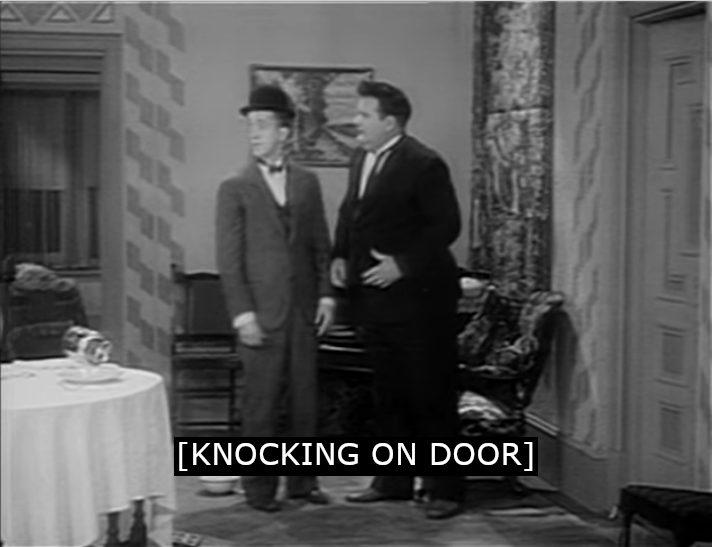
More than just white text on a black background
Imagine watching a film. A door doesn't just slam shut – the subtitle literally slams onto the screen. A voice trembles with fear, and the text subtly shakes with it. This is the essence of "Captions with Intention." This initiative, spearheaded by the Chicago Hearing Society and creative minds from the advertising industry, doesn't view subtitles as mere data transfer. It's about making the emotional layer of a film palpable even in text.
Until now, subtitles were often functional: who says what, and when. But for many deaf or hard-of-hearing individuals, the atmosphere was lost. A whisper appeared in the text just as loud as a scream. "Captions with Intention" changes this by using typography, movement, and placement to reflect the intention of what is being said. It's a step away from pure accessibility towards a genuine experience for all viewers.
Why Inclusion in Film is Not a Niche Topic
Films are a reflection of our society. However, if this mirror excludes a part of the population, it loses depth and truth. Inclusion in film does not only mean that people with disabilities can consume the content. It means that their way of perceiving the world is appreciated in the artistic work itself.
Studies and accessibility guidelines increasingly show: what begins as an aid for a minority often benefits the majority. Clear, well-designed subtitles also help people who do not perfectly master the language, who watch in noisy environments, or who better absorb information visually. When we make films more inclusive, we expand our audience and open up new markets. It is not an act of charity, but a smart, creative, and economic step.
The Technological and Creative Turning Point
Technology has long set limits for us. Standardized formats offered little room for creative freedom in subtitling. But that is changing. New tools and a growing industry awareness make it possible to view subtitles as part of the visual design. Projects like "Caption With Intention" demonstrate how animation and targeted design can bridge the gap between sound and text.
It's not about overloading the text. It's about nuance. The font, the speed of fade-in, the position on the screen – these are all tools that directors and editors already use for the image. Now they are being discovered for text as well. The result is films that convey their message more completely, because they appeal to all senses and modes of perception.
A Win for Everyone: From Special Case to Standard
The movement around conscious subtitle design shows us a way for inclusion to work: Not as a retrospective addition, but as an integral part of the production. If we consider from the outset how deaf people experience a film, works emerge that are richer and more diverse.
For filmmakers, this means discovering new creative possibilities. For viewers, it means experiencing films more intensely. And for society, it is a sign that everyone belongs. Inclusion in film is not a trend that will disappear again. It is the logical consequence of a world that is becoming more connected and diverse. "Captions with Intention" is not just a project, but a manifesto for a future where stories are truly told for everyone.