
Learning by Doing: Internships with Real Responsibility
Whoever starts an internship at ORISONO does not end up in the archives or at the copier. The concept is clear: Immerse instead of observe. Interested young professionals are given the opportunity to experience the complete life cycle of a film up close. This begins in pre-production, where ideas are structured and shooting schedules are forged. It continues on the often hectic shooting days on set and leads deep into post-production, where the raw material is transformed into the finished film.
Particularly valuable in this context is the broader perspective beyond mere production. Interns at ORISONO also learn how a film actually reaches the cinema or the audience. Topics such as distribution, marketing strategies, and release planning are integral parts of the training. This holistic understanding differentiates the internship from many purely artistic apprenticeships. One not only sees how a film is made but also understands how it functions as a product and finds its audience.
Realizing Your Own Visions: Room for Your Own Projects
Perhaps the most exciting element for many interns is the opportunity to contribute their own creative ideas. At ORISONO, the door is not closed when it comes to personal short film projects. On the contrary: the infrastructure and the team's experience are used to support these personal visions. Those who want to tell a story often find an open ear and practical help here to go from script to the first shot.
This culture of "co-creation" fosters a dynamic from which both sides benefit. The young filmmakers gain practical experience and build their portfolio, while ORISONO brings in a breath of fresh air and new perspectives. It is a give and take on equal terms, demonstrating that support works best when trust is given and space for experimentation is allowed.
A look ahead: Learning by doing
Making involves making decisions. Which take, which lens, which cut, which music. And yes, sometimes you miss the mark. That's part of it, and at ORISONO, it's not hidden, but openly addressed. Because more important than being flawless is recognizing a mistake and jointly correcting it. It is precisely then, when something goes wrong and you solve it together, that true learning happens.
For young Swiss filmmakers, this is perhaps the most beautiful lesson of all: those who are allowed to take responsibility early, make courageous decisions, and learn to deal with the consequences grow faster than anyone who merely observes.
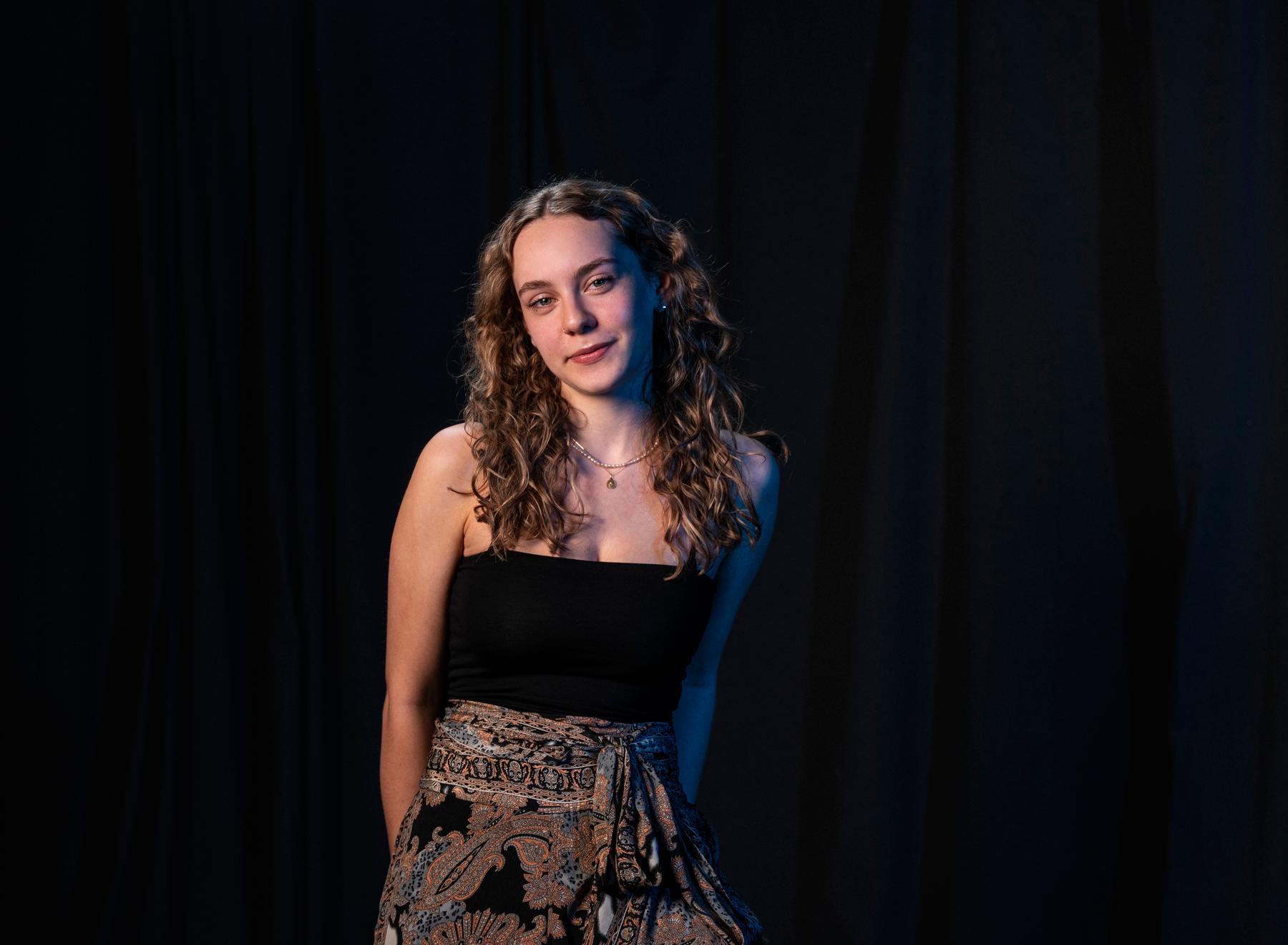
A good example of this culture is Malin Keller. What began as an internship at ORISONO culminated in her own short film, which she directed herself. Instead of merely assisting on other people's sets, she used the infrastructure and know-how of the team to bring her own story to the screen. From the first script draft to working with the actresses and the final grading, she went through the entire production process, this time with the responsibility of directing.